Overview
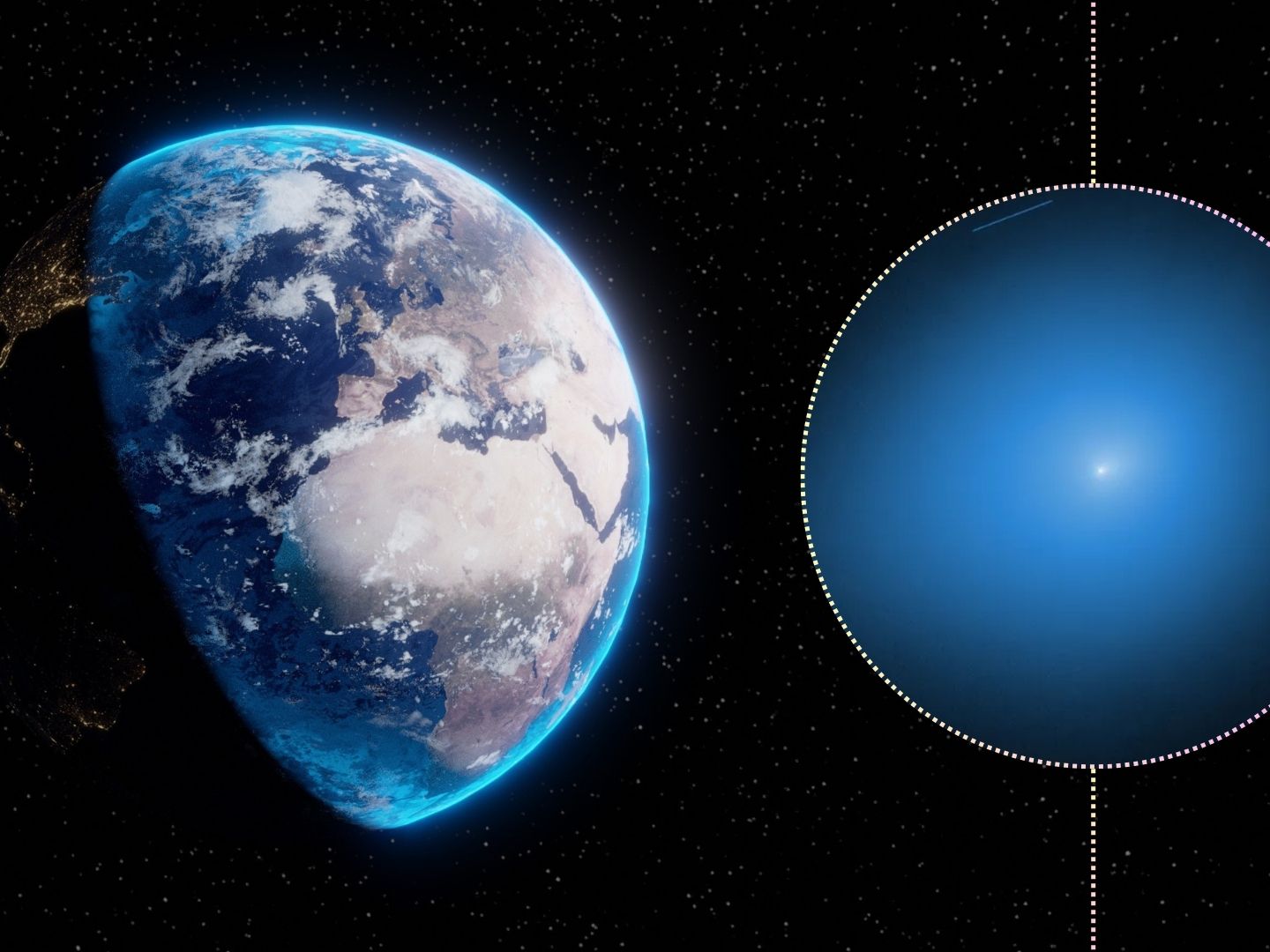
Interstellar comet 3I/ATLAS marked a historic milestone today, December 19, 2025, with its closest Earth approach at 270 million kilometers around 2:32 PM UTC. IFLScience highlights its deviant traits, fueling excitement among observatories from Chile to India during peak viewing hours.
Key Developments
- Closest approach logged at 14:32 UTC by Minor Planet Center, with no impact threat.
- Spectral data from Mauna Kea Observatory at 3:15 PM UTC revealed elevated nickel-iron signature, per lead researcher Dr. Mark Hollis.
- Public apps like Stellarium reported 18 million downloads spiking at 1 PM UTC.
- At 4:00 PM UTC, Hubble imaged the comet's 8-km tail stretching 0.8 AU.
Analysis
| Factor | Current Status | Implications |
|---|---|---|
| Economic | Amateur telescope sales up 35% per Orion Optics | $500M infusion into astrotourism industry |
| Political | ESA coordinates with NASA for data share pact signed Dec 18 | Enhanced global space monitoring framework |
| Social | Viral TikToks garner 300M views; school programs worldwide | Surge in planetary science enrollments projected |
Expert Reactions
IFLScience astrophysicist Dr. Laura Benson wrote: '3I/ATLAS's green glow from C2 molecules defies norms—it's a time capsule from another star system.' Caltech's Dr. Mike Brown tweeted at 3:45 PM UTC: 'Iron-rich core implies violent birth in a distant supernova remnant.' WION correspondent echoed: 'A once-in-millennia spectacle for humanity.'
What's Next
Trajectory analysis due from JPL on December 22, 2025. Potential Venus flyby in 2032 under review for mission planning.