What happened
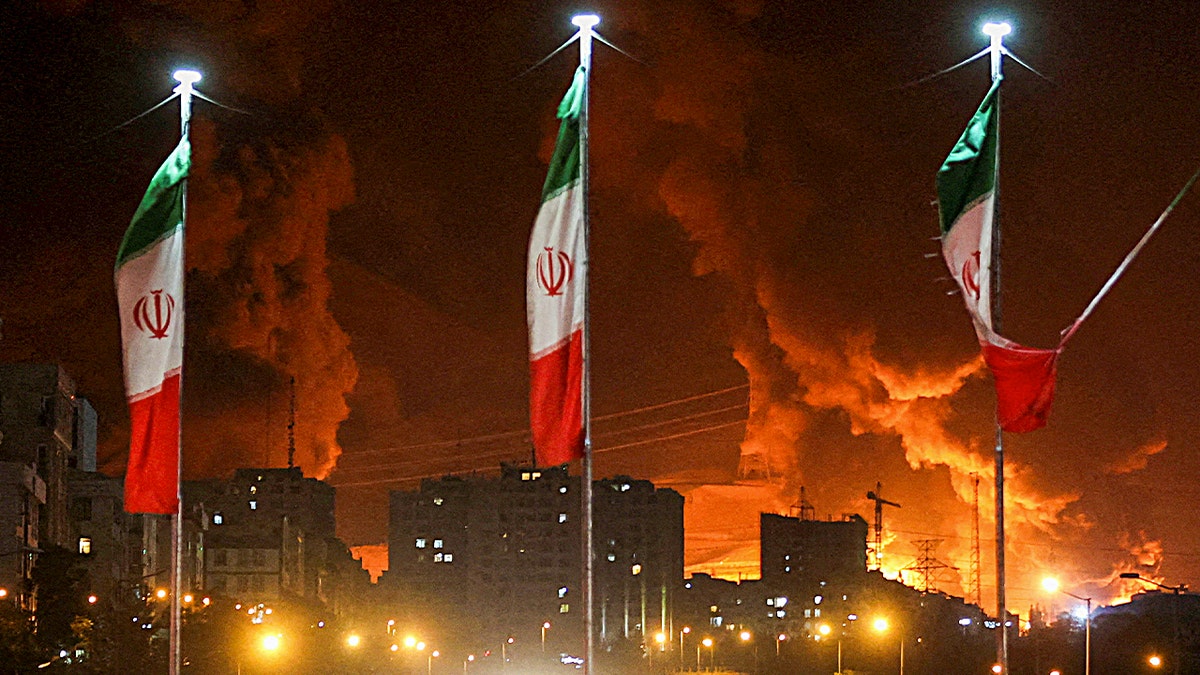
The escalating Iran–US conflict has imposed measurable economic costs on the United Kingdom through disrupted energy supplies and elevated commodity prices. According to Prospect Magazine, the conflict has left the UK "poorer than it hoped to be," with Middle Eastern oil and gas producers forced to shut down production in March and April after tanker flows dried up and storage capacity became exhausted (Prospect Magazine, 2026-05-06).
Why it matters
The UK remains heavily dependent on stable global energy markets to manage inflation and support post-pandemic economic recovery. Disruptions to the Strait of Hormuz—through which roughly one-third of global seaborne oil passes—translate directly into higher domestic energy costs for British households and businesses. The conflict's impact on energy pricing represents a structural vulnerability in UK economic planning that extends beyond immediate geopolitical tensions.
Key facts
- Between 9 million and 12 million barrels per day of oil production have been taken offline in the Middle East (Prospect Magazine, 2026-05-06)
- Production shutdowns occurred during March and April 2026 due to storage capacity constraints (Prospect Magazine, 2026-05-06)
- Restarting halted production "is far from instantaneous," meaning price pressures will persist for months (Prospect Magazine, 2026-05-06)
- The disruption occurred amid escalating US–Iran military operations in the region (The Independent, 2026-05-06)
Analysis
The Iran conflict exposes a critical structural weakness in UK energy resilience. While the country has diversified away from Russian energy following 2022, it remains exposed to Middle Eastern supply shocks through global commodity markets. The 9–12 million barrel-per-day production loss represents roughly 10% of global daily output—a shock comparable to major historical disruptions. Unlike targeted sanctions or deliberate OPEC cuts, this loss stems from operational paralysis: producers cannot store excess inventory and cannot ship existing supplies through contested waters.
For the UK specifically, higher energy costs compound existing fiscal pressures. Elevated commodity prices feed into inflation metrics that constrain monetary policy flexibility and erode real wages across the economy. The timing is particularly acute given the UK's focus on managing post-2024 economic stabilization. Energy-intensive sectors—chemicals, steel, ceramics—face margin compression, while household energy bills rise precisely when cost-of-living pressures remain politically sensitive. This represents not a temporary shock but a structural recalibration of energy cost assumptions underlying UK fiscal and industrial policy.
What to watch
- Diplomatic resolution timeline: Trump's May 2026 announcement of a pause in "Project Freedom" and progress toward a deal with Iran could signal near-term supply recovery, but any agreement will require months to restore full production capacity.
- UK energy price trajectory: Monitor whether sustained higher prices force the government to revisit energy support schemes or industrial competitiveness measures, signaling deeper economic strain.
- Strategic energy diversification: Watch for UK acceleration of renewable deployment or liquefied natural gas (LNG) import agreements as hedges against future Middle Eastern disruptions.