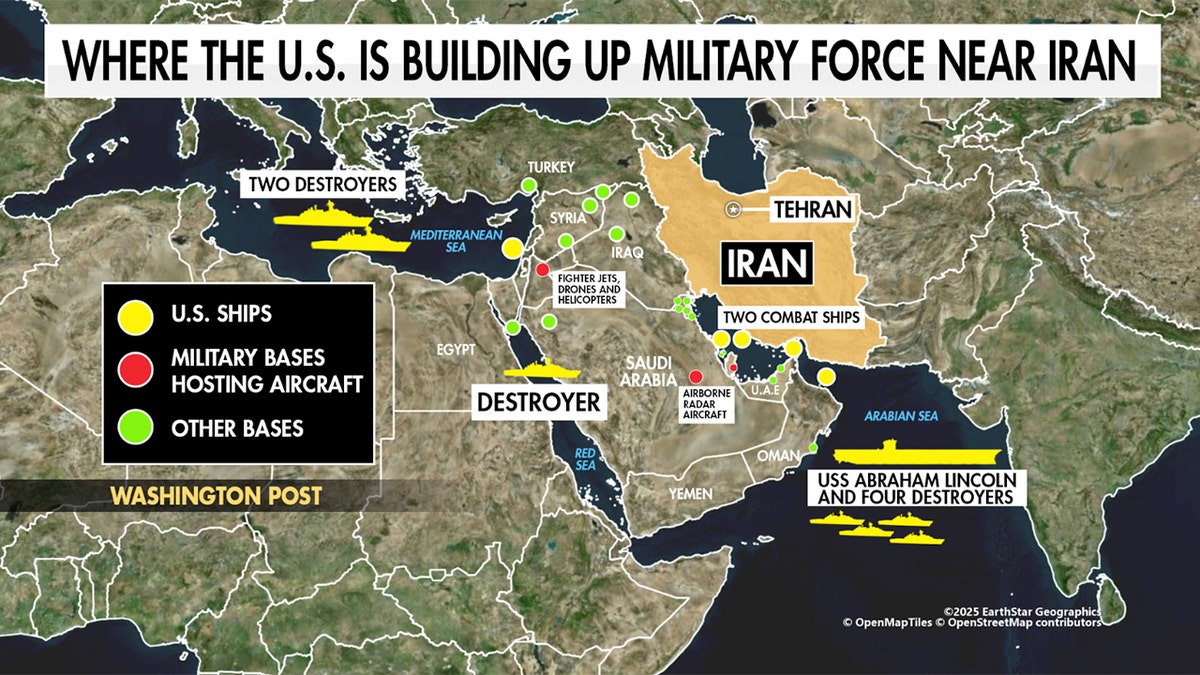
What happened
On Thursday, May 7, 2026, US Ambassador to the UN Mike Waltz called on the Security Council to adopt a resolution requiring Iran to stop attacks and mine-laying in the Strait of Hormuz (YouTube [5]). The draft, co-sponsored with Bahrain and backed by Gulf states, invokes Chapter VII of the UN Charter, prompting criticism from Russia and China as biased (YouTube [5]). Secretary of State Marco Rubio framed it as a litmus test for the UN's relevance, while President Trump readied for a high-stakes China visit amid reports of advancing US-Iran talks (YouTube [5]).
This move unfolds against Trump's recent statements on productive peace negotiations with Iran, following US Treasury sanctions on Iraqi entities aiding Tehran's evasion efforts (CBS News [3]).
Why it matters
The Strait of Hormuz remains a linchpin of global energy security, channeling roughly 20% of seaborne oil trade. Iran's effective control after US and Israeli strikes has stranded ships and spiked fuel costs worldwide, amplifying economic pressures from the Persian Gulf to distant markets (Independent [2]). A UN resolution under Chapter VII could authorize force, reshaping alliance commitments and exposing fractures in the post-Cold War order where veto powers clash over Middle East enforcement.
For the United States, this diplomatic thrust underscores efforts to multilateralize pressure on Iran while navigating domestic calls for swift resolution, as Trump asserted the conflict would end quickly (CBS News [3]). It highlights Washington's balancing act between Gulf partnerships strained by Project Freedom's collapse—due to Saudi access limits and tepid support from Kuwait, Qatar, and Oman—and broader great-power competition (YouTube [1]).
Key facts
- US resolution co-authored with Bahrain, supported by Gulf allies; likely vetoed by Russia and China (YouTube [5], 2026-05-07).
- Trump reported 'very good talks' with Iran over past 24 hours toward peace deal (CBS News [3], 2026-05-07).
- US Treasury sanctioned Iraqi oil official, firms, and Iran-backed militia leaders for sanctions evasion (CBS News [3], 2026-05-07).
- Project Freedom US-led escort mission failed in 36 hours due to Gulf coordination issues (YouTube [1], 2026-05-07).
Analysis
The US resolution represents a calculated bid to legitimize potential escalation while buying time for bilateral diplomacy. By framing Iran's actions as a threat to international peace under Chapter VII, Washington seeks to isolate Tehran and rally hesitant Gulf partners, whose lukewarm response to Project Freedom revealed eroding cohesion in the anti-Iran front (YouTube [1], [5]). Trump's parallel overtures to China—timed with his upcoming trip—suggest a layered strategy: pressuring Beijing to lean on Iran economically, given shared interests in Hormuz stability, even as Moscow and Beijing decry the text as provocative. This maneuver tests the Security Council's paralysis, where veto dynamics have long shielded revisionist actors, potentially accelerating US disillusionment with multilateralism.
Broader dynamics pit American primacy against rising multipolarity. Saudi-Iranian diplomacy, including a May 6 call between their foreign ministers in Beijing, underscores Tehran's outreach to regional rivals, diminishing US leverage (YouTube [6]). As Trump pauses initiatives like Project Freedom and hints at de-escalation, the UN push serves as a hedge—preserving coercive options if talks falter. Economically, sustained Hormuz disruption fuels inflation globally, forcing the US to weigh military costs against alliance reliability, especially with Gulf states prioritizing deconfliction over confrontation. This episode crystallizes shifting West Asia power balances, where US unilateralism confronts empowered local actors and great-power rivals.
What to watch
- Forecast: Trump's China trip outcomes could influence Russian-Chinese veto coordination on the Hormuz resolution.
- Forecast: Progress in reported US-Iran talks may sideline the UN draft, prioritizing bilateral terms over multilateral enforcement.
- Forecast: Gulf responses to Saudi-Iran engagement might further erode support for US-led security initiatives in the Strait.