What happened
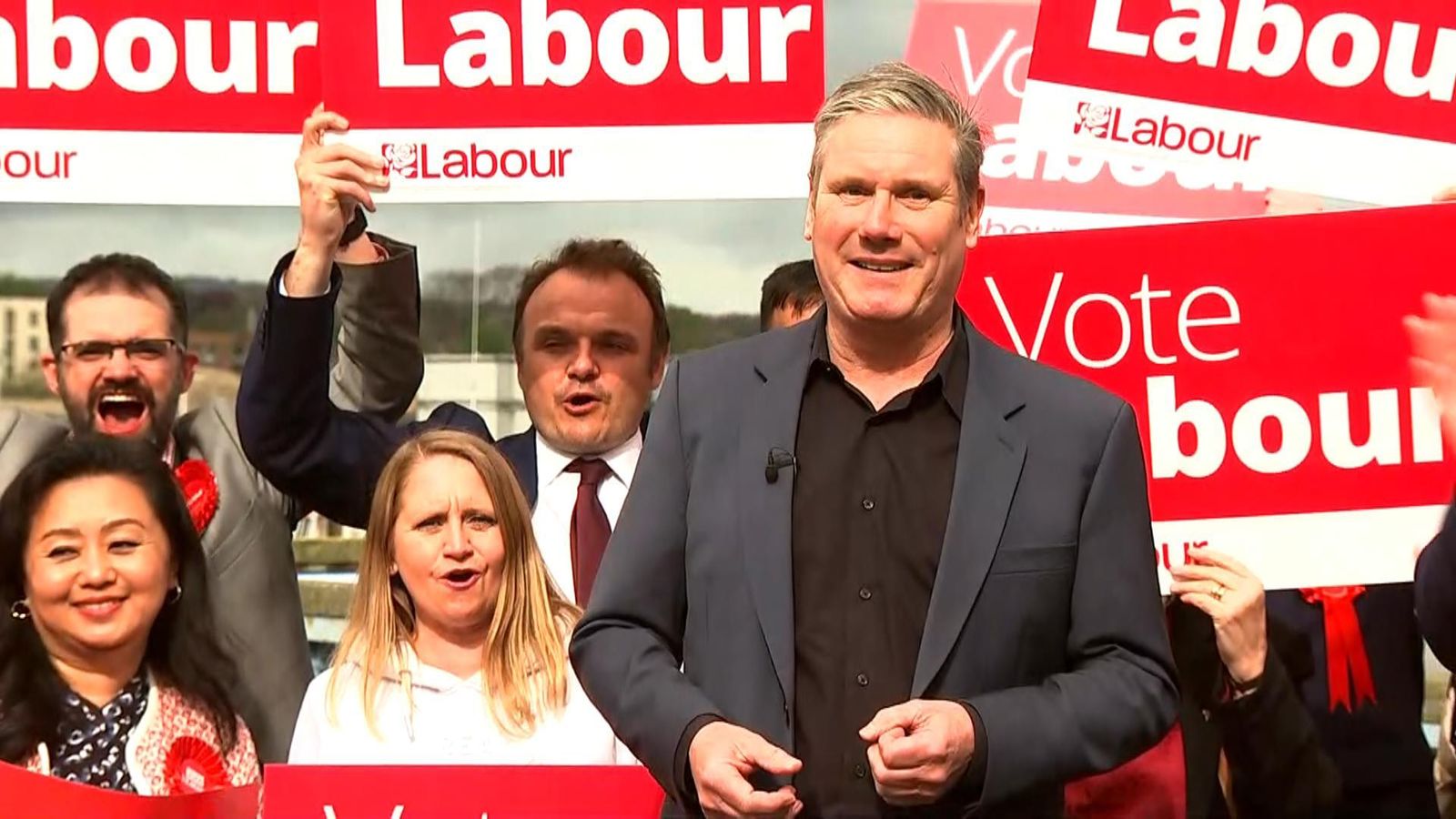
Keir Starmer addressed the media in a live press conference following disappointing local election results for the Labour Party (India Today Global, 2026-05-12). The results sparked political pressure and renewed scrutiny over Labour’s performance, campaign strategy, and public support. During the briefing, Starmer responded to criticism, defended his government’s direction, and outlined plans to regain voter confidence amid growing political challenges across the UK.
This event underscores a moment of vulnerability for the incumbent Labour leadership, as local outcomes reflect broader dissatisfaction with handling of domestic and international crises.
Why it matters
Local elections serve as a barometer for national sentiment in the UK, where voters express frustration with governance amid overlapping crises like the US-Iran war's fuel disruptions and global economic ripples. Labour's setbacks highlight how foreign conflicts exacerbate domestic divides, testing the government's ability to maintain cohesion. In a parliamentary system, such results can accelerate leadership contests and policy shifts, influencing Britain's alignment in transatlantic and European affairs.
The timing intersects with unresolved European ties, as noted in analyses of Labour’s leadership dynamics (Lowy Institute, 2026-05-12). Weakened domestic footing limits Starmer's maneuverability on the world stage, where UK influence hinges on perceived stability at home.
Key facts
- Keir Starmer held a live press conference responding to Labour's disappointing local election results (India Today Global, 2026-05-12).
- Results sparked political pressure and scrutiny over Labour’s performance, campaign strategy, and public support (India Today Global, 2026-05-12).
- Starmer defended his government’s direction and outlined plans to regain voter confidence amid UK political challenges (India Today Global, 2026-05-12).
Analysis
Labour's local election disappointments come at a precarious juncture for the UK, where Keir Starmer's administration must balance domestic discontent with its role in global diplomacy. The press conference reveals a leadership under strain, as voters penalize the party for perceived failures in addressing economic fallout from distant conflicts. This erosion of support fragments the political landscape, empowering opposition voices and complicating consensus on foreign policy priorities. Starmer's defense of his direction signals an attempt to steady the ship, but the outlined plans for voter regain suggest internal recognition of strategic missteps. In the broader context, such instability weakens Britain's bargaining power in multilateral forums, where reliable domestic backing is essential for assertive international postures.
Looking outward, these domestic tremors intersect with Labour’s evolving European orientation. The Lowy Institute's observation on Starmer and Europe's 'ghosts' points to how local woes could force a reevaluation of post-Brexit relationships, potentially drawing the UK closer to continental partners for economic relief. Yet, persistent voter skepticism risks entrenching isolationist tendencies, undermining Labour's ambitions for renewed influence. This dynamic positions the UK as a less predictable actor, with ripple effects on alliances facing their own pressures. Starmer's challenge lies in translating press conference rhetoric into tangible wins that restore faith, lest electoral fragility curtail Britain's geopolitical agility.
What to watch
- Forecasts of intensified leadership pressure within Labour if national polls continue mirroring local trends.
- Potential policy pivots toward Europe as a counterweight to domestic economic grievances.
- Shifts in opposition strategies exploiting Labour's vulnerabilities for by-election gains.