What happened
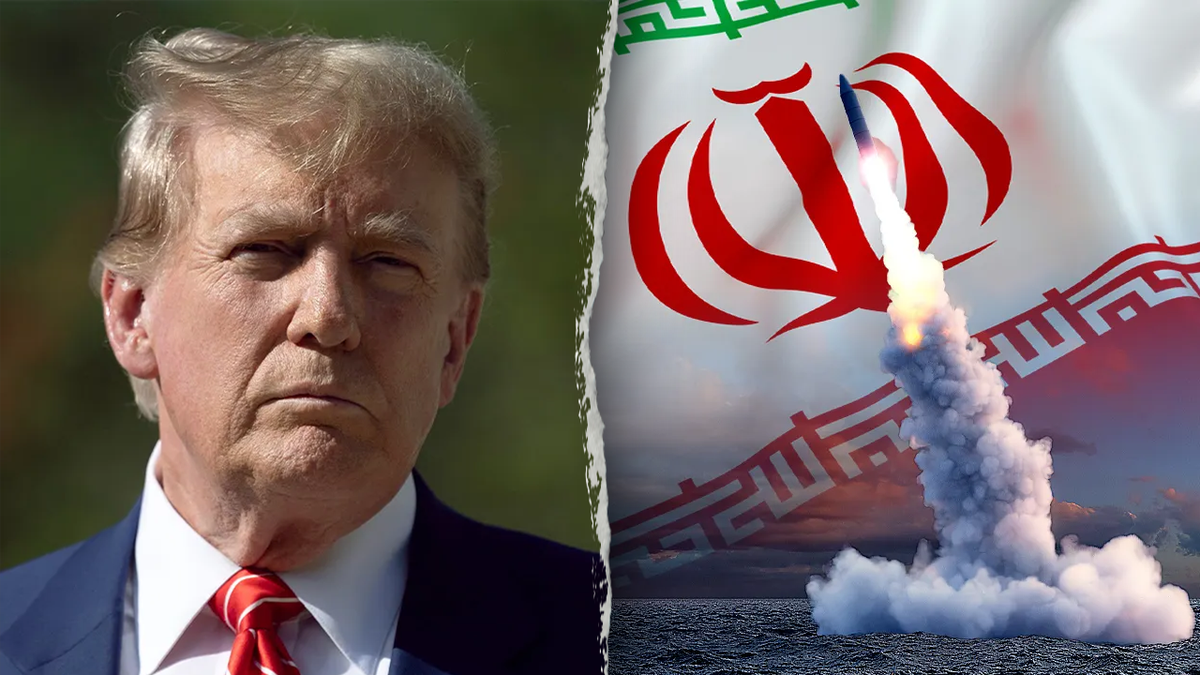
On May 8, 2026, the US Treasury Department announced sanctions on 10 individuals and companies accused of helping Iran’s missile and drone programs, including firms based in China, Hong Kong, Dubai, Belarus, and Iran (YouTube, 2026-05-09). Washington alleges that this network enabled Tehran to secure weapons, drone components, and materials used in ballistic missiles and Shahed‑type drones, directly linking these entities to Iran’s military capabilities (YouTube, 2026-05-09). The move comes just days before a high‑stakes meeting between Donald Trump and Chinese President Xi Jinping, positioning the sanctions as a key flashpoint in the upcoming summit (YouTube, 2026-05-09).
Why it matters
The decision reflects a deliberate shift in US strategy: economic tools are no longer just punitive measures against Iran but are now central instruments in the broader US–China rivalry. By targeting Chinese and Hong Kong‑based companies, Washington is effectively weaponizing its financial system to constrain Beijing’s ability to support Iran’s defense industrial base, even as it prepares for a summit that is meant to stabilize bilateral relations. This approach underscores how Washington views the Iran file as inseparable from its competition with China, turning third‑country entities into battlegrounds for influence.
Beyond the immediate impact on the sanctioned firms, the move signals a willingness to escalate costs for any actors perceived as enabling Iran’s military posture, even at the risk of hardening Chinese resistance. For Beijing, these sanctions are likely to be framed as extraterritorial overreach, reinforcing narratives of US containment and prompting retaliatory measures that could further fragment global trade and finance. In this context, the sanctions are less about isolating Iran alone and more about reshaping the economic architecture that underpins Beijing’s strategic partnerships.
Key facts
- The US Treasury sanctioned 10 individuals and companies on May 8, 2026, including entities based in China and Hong Kong, over alleged support for Iran’s missile and drone programs (YouTube, 2026-05-09).
- Washington claims the network helped Tehran secure weapons, drone components, and materials used in ballistic missiles and Shahed‑type drones (YouTube, 2026-05-09).
- The sanctions are expected to become a major flashpoint during the upcoming meeting between Donald Trump and Chinese President Xi Jinping (YouTube, 2026-05-09).
Analysis
The sanctions reveal a calculated effort by Washington to leverage its financial dominance to constrain Beijing’s strategic options in the Middle East. By targeting Chinese and Hong Kong‑based firms, the United States is signaling that any entity facilitating Iran’s military capabilities will face severe economic consequences, regardless of its nationality. This approach reflects a broader trend of using secondary sanctions to isolate adversaries and their enablers, but it also risks alienating Beijing and deepening the divide between the two powers.
For China, the sanctions are likely to be perceived as a direct challenge to its sovereignty and economic interests. Beijing may respond with countermeasures, such as restricting access to its markets or imposing its own sanctions on US entities, which could further fragment global trade and finance. The move also highlights the growing importance of non‑military tools in the US–China rivalry, as both powers seek to gain leverage through economic and financial means rather than direct military confrontation.
What to watch
- The response from Beijing: China may retaliate with its own sanctions or economic measures, which could escalate the economic conflict between the two powers.
- The impact on global trade: The sanctions could disrupt supply chains and trade flows, particularly in the Middle East and Asia, as companies seek to avoid exposure to US financial penalties.
- The outcome of the Trump–Xi summit: The sanctions are likely to be a key topic of discussion, and the summit’s outcome could shape the trajectory of US–China relations in the coming months.