What happened
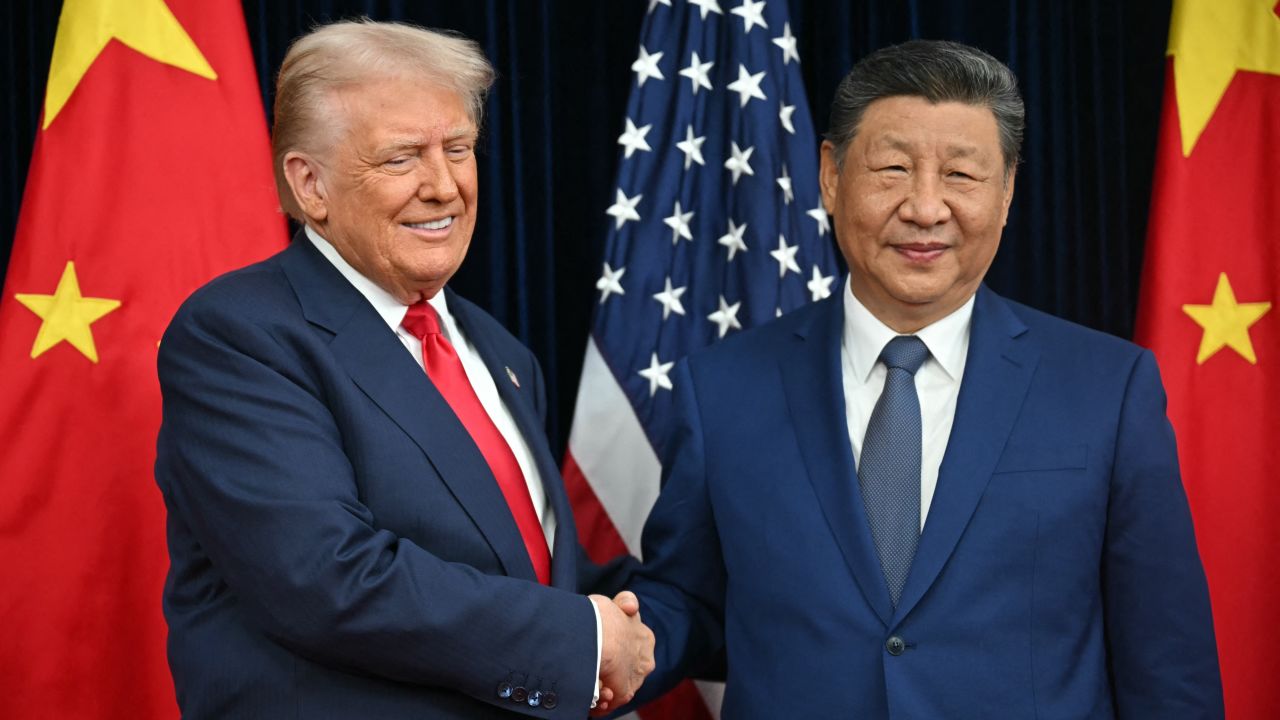
Europe is watching as US President Trump and Chinese President Xi negotiate their interests, leaving the continent on the sidelines. China has imposed sanctions on European companies accused of arms sales to Taiwan, viewed as retaliation for the EU's sanctions on Chinese firms involved with Russia (tomorrowsaffairs.com). This comes amid a shifting US message to Europeans, moving from NATO burden-sharing to burden-shifting, urging Europe to take responsibility for deterring Russia.
Why it matters
The transatlantic relationship faces strain from ongoing conflicts and diverging priorities. For decades, Washington promoted NATO over EU defense structures, but now seeks greater European self-reliance, especially with pressures from the Iran war and Russia. Meanwhile, China's assertive actions against EU entities highlight Europe's vulnerability in great-power competitions, forcing a rethink of dependencies on both US security and Chinese markets.
Key facts
- China imposed sanctions on European companies for ‘arms sales to Taiwan’ in retaliation for EU sanctions on Chinese companies dealing with Russia (tomorrowsaffairs.com).
- Washington is shifting from NATO burden-sharing to burden-shifting, wanting Europe to deter Russia (YouTube: How the Iran War Is Straining the Transatlantic Relationship).
- Europe must prioritize building capabilities for autonomy without US dependencies (Carnegie Endowment).
Analysis
These developments underscore Europe's precarious position in a multipolar world. The Trump-Xi dynamic bypasses Brussels, exposing how bilateral great-power pacts marginalize mid-sized powers. Chinese retaliation via sanctions on EU firms for Taiwan-related activities reveals the perils of Europe's fragmented foreign policy—unanimity rules slow responses, while individual member states pursue varied China strategies. Coupled with US insistence on Europeanizing NATO's eastern flank, this pressures the EU to consolidate defense procurement and industrial base, lessons partly drawn from Ukraine but tested by Russia's adaptations.
Russia's potential escalations, including hybrid tactics and NATO probes, amplify urgency. As Moscow refuses to wait for Europe's defense ramp-up, the continent confronts a 2027 security deadline amid Kremlin incentives for preemptive tests. Europe's response hinges on accelerating autonomy: unified arms production, strategic stockpiles, and deterrence postures independent of Washington. Failure risks fragmentation, with stronger states like Poland and the Nordics bolstering NATO bilaterally while southern members lag, weakening collective resolve against hybrid and conventional threats.
What to watch
- Forecasts: Will EU defense spending hit 3% GDP average by 2027 to match Russian escalation pace?
- Forecasts: Could Chinese sanctions expand to more EU sectors if Taiwan tensions rise?
- Forecasts: Might Europe launch a dedicated autonomy fund post-NATO summit to offset US withdrawal signals?