What happened
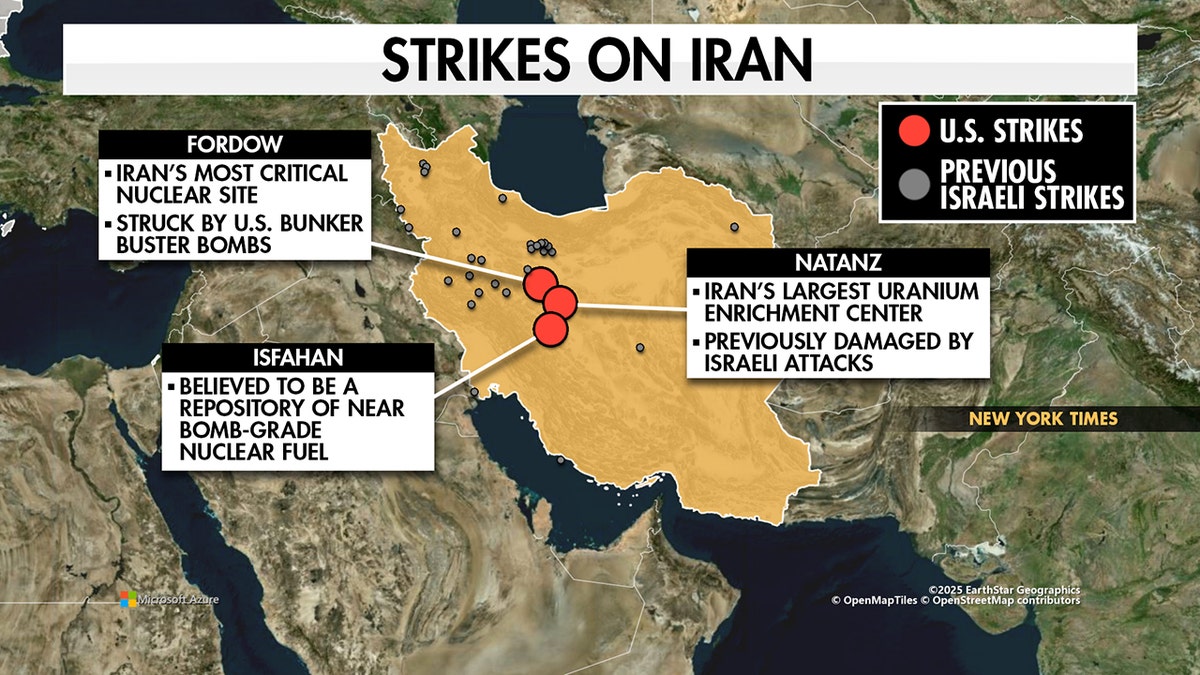
In a recent discussion on The High Top, Max Bergmann, Director of the Europe, Russia, and Eurasia Program, highlighted how the Iran war is straining the transatlantic relationship (YouTube [1]). For 30 years, Washington instructed Europeans to organize around NATO rather than the EU, but the current message has shifted from burden sharing to burden shifting, with the US pressing Europe to take real responsibility for deterring Russia. This comes amid broader concerns over US troop presence in Europe.
Why it matters
The transatlantic alliance, anchored by NATO, faces structural tests as US foreign policy recalibrates priorities. Europe's security has long relied on American leadership, but evolving conflicts like the Iran war expose vulnerabilities in alliance cohesion, forcing Europe to confront its defense autonomy amid Russian threats.
Key facts
- Iran war has deepened concern over transatlantic ties (YouTube [1], 2026-05-07)
- US shifting from NATO burden sharing to burden shifting on Europe for Russia deterrence (YouTube [1], 2026-05-07)
- Washington considers reducing military presence in Germany, raising NATO unity concerns (YouTube [4], 2026-05-07)
Analysis
The Iran war acts as a catalyst, accelerating long-simmering frictions within NATO. Traditionally, the US has positioned itself as the alliance's backbone, encouraging European integration via NATO over fragmented EU defense efforts. Now, with American resources stretched, the push for 'burden shifting' signals a potential reconfiguration of Europe's security architecture. This demands Europeans step up industrial and military capacities to counter Russia, testing political will across capitals from Berlin to Warsaw.
Compounding this, discussions around US troop redeployments from Germany underscore alliance fragility. While some see benefits for frontline states like Poland, the broader risk lies in eroding deterrence credibility. Europe's defense industries lag, and political cycles in the US amplify uncertainty, as noted by experts urging resilience despite leadership changes (YouTube [4]). Russia, observing these fissures, may exploit them through hybrid tactics or escalation beyond Ukraine, per security analysts (YouTube [5]). The transatlantic bond's endurance hinges on Europe's ability to bridge capability gaps swiftly.
What to watch
- Forecasts of Russian escalation testing NATO before Europe's defense buildup completes by 2027.
- Potential US troop shifts from Germany and impacts on Eastern European NATO flanks.
- European responses to US demands for enhanced Russia deterrence roles.