What happened
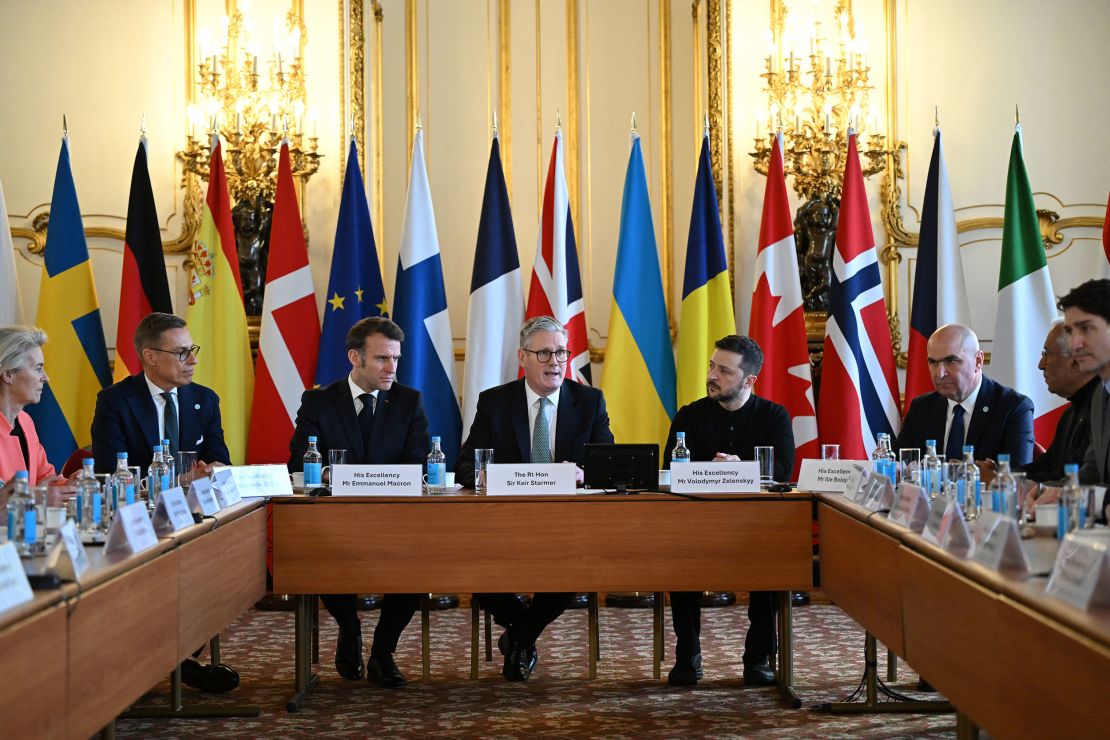
Ukraine declared a ceasefire beginning at midnight on May 6, following Zelensky's statement on May 4, in response to Russian President Vladimir Putin's announcement of a temporary two-day "Victory Day ceasefire" on May 8–9 (Instagram, 2026-05-07). Moscow had not agreed to Kyiv's proposed ceasefire, which was set to start on May 6. Russia violated this proposed ceasefire, as confirmed in recent reporting (Instagram, 2026-05-07).
Why it matters
This incident underscores the fragility of unilateral de-escalation efforts in the Russia-Ukraine conflict, where mismatched timelines and lack of mutual consent perpetuate hostilities. For the EU, it reveals the limits of its mediation role, as persistent violations strain unified support for Ukraine and complicate broader European security architecture amid ongoing geopolitical friction.
Key facts
- Zelensky announced Ukraine's ceasefire on May 4, starting midnight May 6 (Instagram, 2026-05-07).
- Putin proposed a two-day "Victory Day ceasefire" on May 8–9 (Instagram, 2026-05-07).
- Moscow did not agree to Kyiv's ceasefire, leading to its violation (Instagram, 2026-05-07).
Analysis
The rejection and violation of Ukraine's ceasefire initiative illustrate a pattern of asymmetric escalation, where Russia's preconditioned pauses like the Victory Day gesture serve domestic symbolism over genuine de-escalation. This dynamic burdens the EU, which has positioned itself as Ukraine's primary backer through sanctions and aid, yet struggles with enforcement mechanisms that rely on transatlantic alignment. Without reciprocal commitments, such unilateral moves risk emboldening hardline positions, further entrenching divisions across Europe.
High energy costs in Europe, compounded by conflict-related disruptions, erode industrial competitiveness, particularly in specialty chemicals (ICIS, 2026-05-06). Linking back to the ceasefire breach, sustained hostilities amplify these pressures, forcing EU policymakers to balance military support with economic resilience. As geopolitics dominates industry agendas, forums like Posidonia 2026 highlight how continental tensions ripple into maritime and trade sectors, prompting a reevaluation of supply chain vulnerabilities (Hellenic Shipping News, 2026-05-06). The EU must navigate these intertwined security-economic challenges to maintain cohesion.
What to watch
- Forecast: Potential EU push for synchronized multilateral pauses post-May 9 to test Russian commitments.
- Forecast: Escalation in diplomatic rhetoric around Victory Day events influencing EU summit agendas.
- Forecast: Monitoring impacts on European energy markets if violations extend beyond proposed dates.