What happened
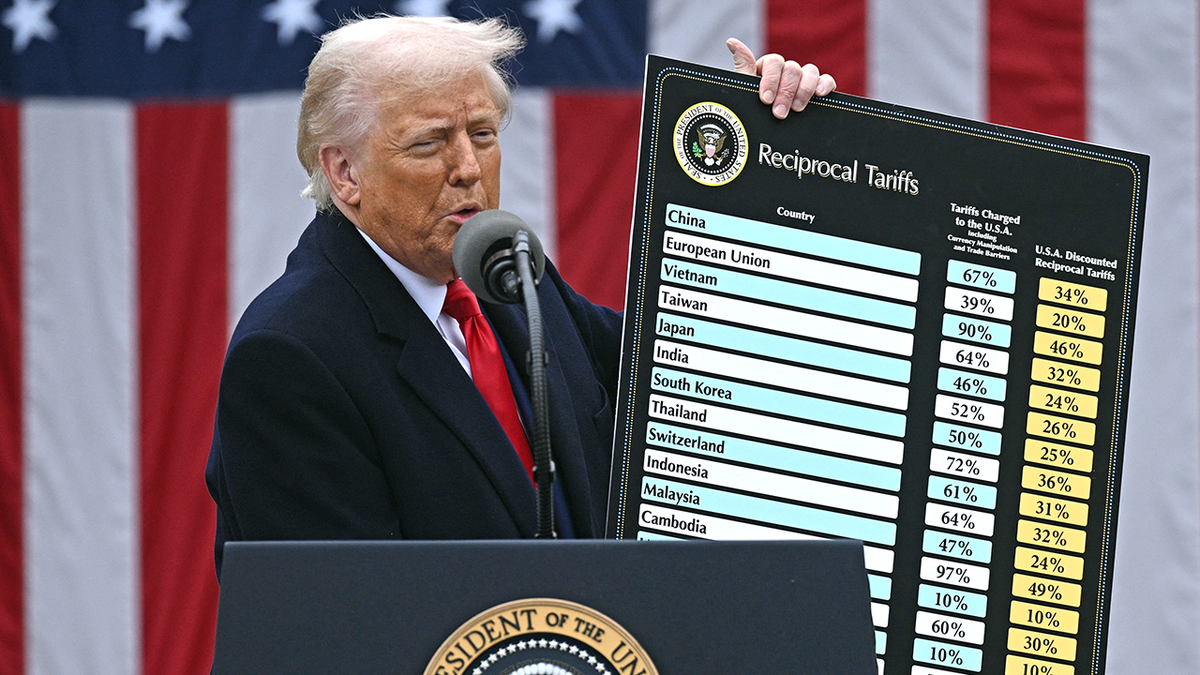
U.S. President Donald Trump has threatened to impose a 25% tariff on European automobiles and car parts, alleging non-compliance with unspecified standards (Euronews, 2026-05-06). Former EU High Representative for Foreign Affairs Catherine Ashton characterized the move as part of a broader pattern of trade weaponization by the Trump administration, warning that European businesses and consumers require policy consistency during volatile periods (Euronews, 2026-05-06).
Why it matters
The automotive sector represents one of Europe's most strategically sensitive industries—a cornerstone of German manufacturing and a critical export revenue stream across the continent. Trump's tariff threat arrives at a moment of acute economic vulnerability for the EU. The International Monetary Fund has downgraded eurozone growth forecasts to just over 1% for 2026, down from 1.4% prior to the Iran war, citing energy disruptions and persistent inflation from supply chain fractures (Euronews, 2026-05-05). A 25% tariff on cars would compound these pressures, potentially triggering a trade spiral at precisely the moment when European policymakers lack fiscal room to absorb external shocks.
The framing of tariffs as a compliance enforcement mechanism—rather than explicit protectionism—signals a deliberate rhetorical strategy. By anchoring the threat to alleged regulatory violations, the Trump administration creates ambiguity about negotiating terms, forcing the EU into reactive posturing rather than proactive deal-making.
Key facts
- Trump threatens 25% tariff on European cars and car parts, citing alleged non-compliance (Euronews, 2026-05-06)
- Eurozone growth forecast downgraded to just over 1% for 2026, down from ~1.4% (IMF, via Euronews, 2026-05-05)
- Catherine Ashton identifies trade weaponization as deliberate U.S. policy (Euronews, 2026-05-06)
- European inflation remains elevated due to energy and supply disruptions (IMF, via Euronews, 2026-05-05)
Analysis
Trump's tariff threat exposes a structural asymmetry in transatlantic leverage. The EU cannot easily retaliate without deepening its own economic pain—retaliatory tariffs on U.S. goods would raise prices for European consumers already squeezed by inflation and energy costs. Meanwhile, the automotive sector's integrated supply chains mean that European manufacturers themselves depend on U.S. components and markets. Germany, which accounts for roughly one-third of EU auto exports, faces the sharpest exposure. The threat also arrives as Brussels grapples with internal political fragmentation: Romania's coalition government collapsed on Tuesday following a no-confidence vote against Prime Minister Ilie Bolojan (Euronews, 2026-05-06), signaling that EU cohesion is fracturing precisely when unified trade negotiation capacity is most needed.
Ashton's invocation of trade weaponization reflects a deeper concern: that the Trump administration has abandoned the post-1995 WTO framework in favor of unilateral tariff deployment as a tool of geopolitical coercion. This represents a qualitative shift from earlier trade disputes. Rather than targeting specific sectors for protectionist reasons, the new approach uses tariff threats to extract political concessions—whether on defense spending, NATO commitments, or alignment on China policy. For the EU, the challenge is not merely economic but strategic: how to maintain negotiating credibility without appearing capitulated, while managing internal divisions and energy vulnerabilities that limit its own bargaining power.
What to watch
- EU retaliation framework: Monitor whether Brussels announces counter-tariffs or pursues WTO dispute mechanisms; either path signals the depth of transatlantic rupture (forecast: formal WTO complaint likely within 30 days).
- German political response: Watch for pressure on the German government to negotiate bilaterally with Washington, potentially fracturing EU unity on trade response (forecast: bilateral talks probable if tariffs are implemented).
- Auto sector supply chain shifts: Track whether European manufacturers accelerate U.S. production or sourcing to circumvent tariffs, signaling long-term decoupling (forecast: announcements of new U.S. plants likely within Q3 2026).