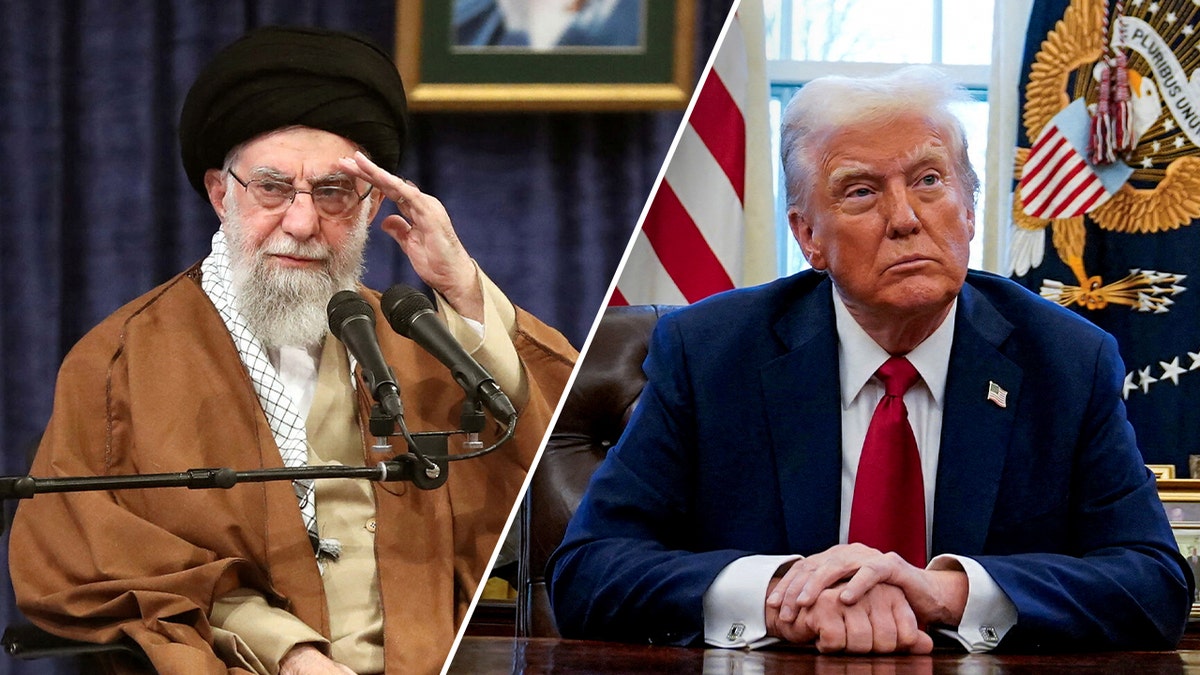
What happened
The United States has moved into what the World Economic Forum describes as “blockade diplomacy” as negotiations with Iran stall, tightening pressure on Iranian ports while Iran threatens shipping through the Strait of Hormuz. The WEF says the result has been entrenchment rather than a solution, and that the stand-off may leave Iran with more leverage than Washington intends. ([WEF, 2026-05])
The same update says US plans to escort ships through the Strait were abruptly halted, underscoring how maritime pressure is shaping diplomacy itself rather than merely supporting it. It also notes that the wider conflict is rippling outward into European security planning, Britain’s military posture, and Chinese strategic calculations. ([WEF, 2026-05])
Why it matters
This is not just another bilateral crisis. Control over sea lanes around Iran affects one of the world’s most sensitive energy chokepoints, and when the United States uses maritime pressure as leverage, it directly links military posture, sanctions policy, and diplomatic bargaining into a single strategy.
That matters because the Strait of Hormuz is not only a regional flashpoint; it is a global stress point. Any sustained disruption risk can raise the strategic value of actors who can keep shipping moving, mediate access, or exploit instability. In that sense, the contest is about more than Iran’s nuclear file or US coercive power. It is about who sets the rules of access in a system where trade, energy, and security are tightly intertwined.
Key facts
- The United States is expanding pressure on Iranian ports and vessels as negotiations stall. (World Economic Forum, 2026-05)
- Iran continues to threaten shipping through the Strait of Hormuz. (World Economic Forum, 2026-05)
- US plans to escort ships through the Strait were abruptly halted. (World Economic Forum, 2026-05)
- The WEF says the stand-off may ultimately leave Iran with more leverage than Washington intends. (World Economic Forum, 2026-05)
- The conflict is affecting Europe’s security calculations and Britain’s geopolitical posture. (World Economic Forum, 2026-05)
- China is monitoring the situation for strategic lessons relevant to a future Taiwan scenario. (World Economic Forum, 2026-05)
Analysis
What makes this episode geopolitically significant is the shift from diplomacy backed by force to force that is itself becoming the diplomacy. The WEF’s framing suggests Washington is no longer simply using pressure to bring Tehran back to the table; it is trying to redefine the table by targeting the maritime architecture that sustains Iranian trade. That approach can work in the short term if it convinces the other side that time is working against it. But it can also harden resistance if the target concludes that economic pain is survivable while political concession is not.
That is why the strategic audience extends well beyond Iran. European governments are already adjusting contingency planning, and Britain is weighing how much military power it is willing to project. China, meanwhile, has reason to study the mechanics of blockade, escort operations, and shipping-security messaging because the lesson set is not limited to the Middle East. The broader implication is that maritime coercion is returning as a major tool of great-power competition. The outcome of this crisis will therefore be measured not only in negotiations with Tehran, but in how other powers interpret the credibility, limits, and costs of US leverage over sea lanes.
What to watch
- Forecast: whether Washington restores or further suspends ship escort operations in the Strait of Hormuz.
- Forecast: whether Iran escalates threats to shipping in response to continued port and vessel pressure.
- Forecast: whether European governments expand fallback security planning as the standoff persists.