What happened
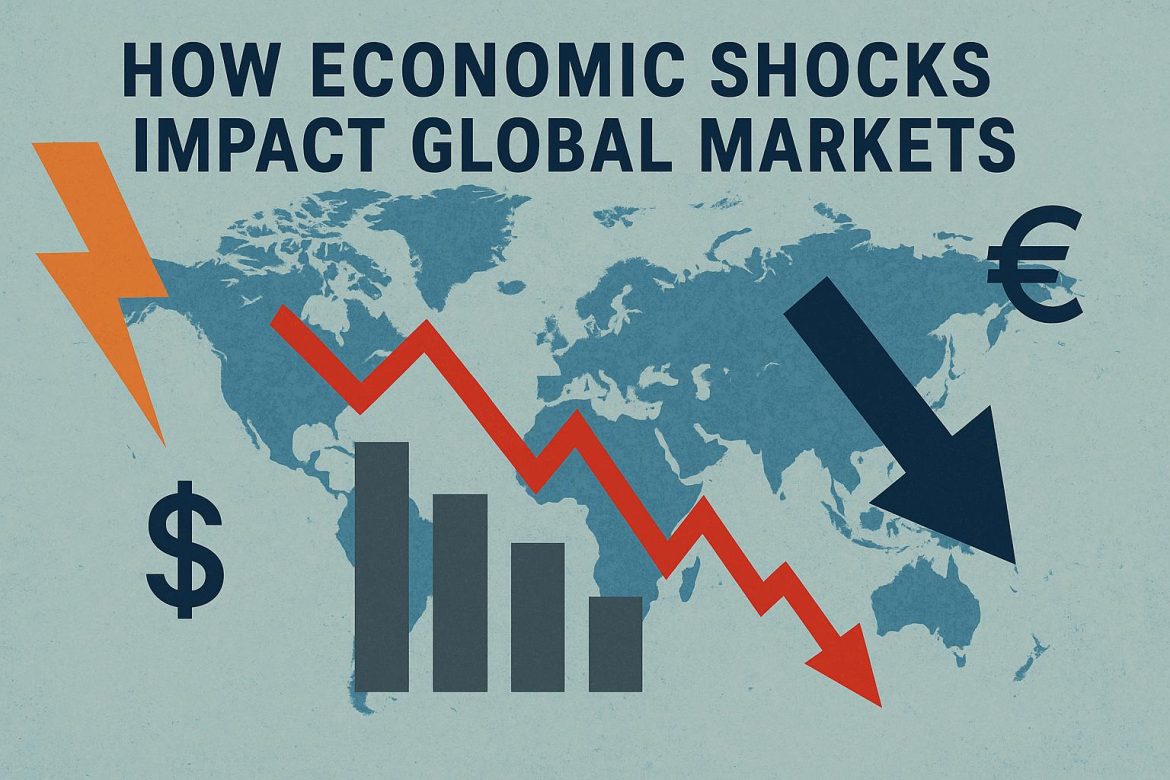
U.S. retail sales posted a modest increase in April, buoyed partly by inflation stemming from geopolitical tensions with Iran that elevated energy and commodity prices (Devdiscourse, 2026-05-15). On Friday, global markets experienced sharp declines as inflation fears intensified, with Europe's STOXX 600 falling 1.36% and U.S. futures sliding significantly—Nasdaq futures down 1.53% and S&P 500 futures down 1.09%—amid expectations of imminent interest rate hikes (Devdiscourse, 2026-05-15). Rising oil prices connected to geopolitical tension compounded inflationary pressures across bond markets and currency valuations.
Why it matters
The apparent contradiction between modest retail growth and sharp market declines reveals a critical vulnerability in U.S. economic positioning. When retail sales rise primarily through inflation rather than genuine demand expansion, it signals consumer purchasing power erosion masked by nominal gains. This dynamic becomes particularly acute when geopolitical shocks—in this case, Iran tensions—drive commodity price spikes that feed into broader inflation expectations. For American policymakers, the scenario presents a classic policy dilemma: consumer spending appears resilient on headline metrics, yet underlying conditions suggest fragility. The Friday market selloff indicates investors are pricing in a scenario where the Federal Reserve must raise rates to combat persistent inflation, which would compress both equity valuations and consumer credit availability. The dollar's concurrent strengthening adds another layer of complexity, pressuring emerging markets and potentially constraining U.S. export competitiveness. This intersection of geopolitical risk, inflation transmission, and monetary policy tightening defines the structural challenge facing the U.S. economy in mid-2026.
Key facts
- April U.S. retail sales experienced a "slight rise" partly driven by inflation from Iran-related geopolitical tensions (Devdiscourse, 2026-05-15)
- Europe's STOXX 600 index fell 1.36% on Friday; MSCI world stocks index declined 0.35% (Devdiscourse, 2026-05-15)
- U.S. Nasdaq futures dropped 1.53%; S&P 500 futures fell 1.09% following earlier weekly highs (Devdiscourse, 2026-05-15)
- Rising oil prices amid geopolitical tension contributed to inflation pressures affecting bond yields and currency markets (Devdiscourse, 2026-05-15)
- Bank of Japan facing potential rate hike pressure due to accelerating inflation in Japan (Devdiscourse, 2026-05-15)
- Dollar strengthened in foreign exchange markets, pressuring yen and sterling valuations (Devdiscourse, 2026-05-15)
Analysis
The U.S. retail data from April presents a textbook case of nominal growth masking real economic deterioration. When inflation drives sales increases rather than volume expansion, it suggests consumers are spending more dollars to purchase the same quantity of goods—a distinction that matters profoundly for assessing economic health. The April figures arrived amid Iran-related geopolitical tensions that pushed energy prices higher, creating a transitory inflation shock. However, the Friday market reaction indicates investors believe this inflation will prove stickier than temporary, warranting monetary policy response. The synchronized global market decline—from European equities to Asian indices—reflects a coordinated repricing of risk assets in light of higher expected discount rates. This is not a localized U.S. phenomenon but rather a recalibration of global capital allocation in response to American inflation dynamics.
The geopolitical dimension adds strategic weight to what might otherwise be routine monetary policy adjustment. Iran tensions affecting oil markets represent an external shock over which U.S. policymakers have limited direct control, yet which constrains their policy flexibility. If inflation persists due to ongoing geopolitical disruptions, the Federal Reserve faces pressure to raise rates despite potential damage to equity markets and consumer balance sheets. This creates a vulnerability: the U.S. economy becomes hostage to Middle Eastern tensions, with each escalation potentially triggering domestic monetary tightening. Simultaneously, the dollar's strength—typically a sign of U.S. financial dominance—can become a constraint on manufacturing competitiveness and emerging market stability, potentially triggering capital flight or debt crises abroad that circle back to U.S. financial institutions. The retail sales data thus serves as a leading indicator not of consumer strength but of the inflation transmission mechanism that will shape policy responses and market volatility through the remainder of 2026.
What to watch
- Federal Reserve signaling timeline: Monitor FOMC communications and futures markets for clarity on rate hike timing. If inflation remains above target through June, expect accelerated tightening that would pressure equities further.
- Oil price trajectory: Track whether Iran tensions escalate or de-escalate; sustained oil above $80–90/barrel would perpetuate inflation pressures and constrain consumer discretionary spending despite nominal sales growth.
- Global capital flows: Watch for emerging market stress signals or currency volatility spikes that could indicate investors rotating away from risk assets into dollar-denominated safe havens, potentially triggering secondary financial stability concerns.