What happened
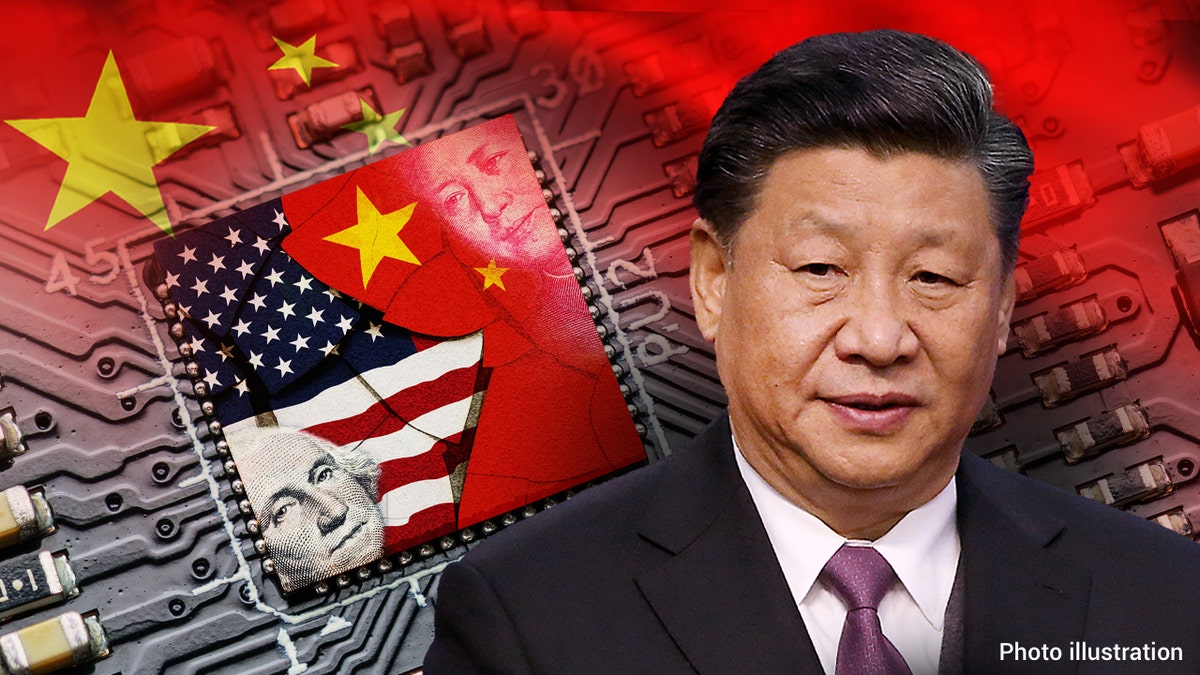
On May 19, Reuters reported that U.S. lawmakers are seeking to undercut Chinese AI and technology sales abroad. The story comes as Congress considers new legislation aimed at tightening export controls on semiconductor technology and related tools used to develop advanced chips. A separate April 15 report said lawmakers had introduced the MATCH Act, which would restrict sales of key chipmaking equipment to China and other countries of concern. (Reuters, 2026-05-19; Broadband Breakfast, 2026-04-15)
The proposal would also expand U.S. authority over foreign-produced items that rely on American technology, extending Washington’s reach deeper into global supply chains. Supporters argue the measure is intended to close loopholes that have allowed Chinese firms to continue acquiring sensitive equipment despite existing restrictions. (Broadband Breakfast, 2026-04-15)
Why it matters
Semiconductors are now one of the clearest arenas where industrial policy and geopolitics overlap. The United States is not just trying to protect its own chip sector; it is trying to shape the terms under which advanced computing capacity spreads across the world. That matters because chips sit upstream of military systems, AI development, cloud infrastructure, and much of the digital economy.
The new push also shows that export control policy is no longer limited to direct sales from U.S. firms into China. By targeting foreign-produced items that use American technology, Washington is signaling that it wants leverage over the wider ecosystem that makes advanced chips possible. In practical terms, this is an effort to manage not just a bilateral rivalry, but a network competition spanning allies, suppliers, and third-country intermediaries.
Key facts
- Reuters reported on May 19 that U.S. lawmakers are seeking to undercut Chinese AI and technology sales abroad. (Reuters, 2026-05-19)
- The bipartisan MATCH Act, introduced in April, would restrict the sale of key chipmaking equipment, including deep ultraviolet lithography systems and advanced etching tools, to China and other countries of concern. (Broadband Breakfast, 2026-04-15)
- The bill would expand U.S. authority over foreign-produced items that rely on American technology. (Broadband Breakfast, 2026-04-15)
- Supporters say the legislation is designed to close loopholes that have allowed Chinese firms to keep acquiring sensitive equipment despite existing restrictions. (Broadband Breakfast, 2026-04-15)
- The bill would shift export controls toward a broader framework that considers companies and their affiliations, not just individual fabrication plants. (Broadband Breakfast, 2026-04-15)
- It would also require U.S. allies to adopt similar restrictions within 150 days or face unilateral U.S. action under the Foreign Direct Product Rule. (Broadband Breakfast, 2026-04-15)
Analysis
This is a classic example of how technology policy becomes strategy by other means. The United States has already used export controls to slow China’s access to advanced chipmaking tools and high-end AI capabilities, but the new legislative effort suggests that policymakers believe the previous regime is incomplete. If China can still source sensitive equipment through indirect channels, then the center of gravity shifts from banning one export lane to policing the whole architecture of production, licensing, and re-export.
That has two geopolitical consequences. First, it raises the cost of operating in the gray zones between allied and non-allied supply chains. Second, it forces partners to decide whether they want to align more closely with Washington’s security logic or preserve greater commercial flexibility. The bill’s reported requirement that allies adopt similar restrictions within 150 days underscores that this is not merely a domestic industrial measure; it is a test of coalition discipline.
The broader context is a U.S.-China contest that now extends far beyond tariffs or headline chip bans. Washington is trying to slow China’s indigenous semiconductor ecosystem while also limiting the international commercialization of Chinese AI and technology products. That suggests the competition is entering a more mature phase: one focused less on one-off restrictions and more on durable control of standards, tools, and downstream market access. In that sense, the fight over chip exports is becoming a fight over the geography of innovation itself.
For China, the strategic challenge is equally clear. The more Washington broadens controls from firms to affiliations and from direct exports to foreign-produced items, the more Beijing has to accelerate substitution, localization, and alternative sourcing. That creates pressure not only on Chinese chipmakers, but on global equipment vendors, allied governments, and multinational firms that rely on predictable access to both markets. The result is a system where strategic mistrust becomes embedded in ordinary trade relationships.
What to watch
- Forecast: whether the MATCH Act advances quickly through Congress or gets slowed by business opposition and allied concerns.
- Forecast: whether U.S. allies mirror the proposed restrictions or seek narrower implementation to protect commercial ties.
- Forecast: whether Chinese firms respond by accelerating domestic substitution in chip equipment, software, and advanced manufacturing processes.
Source context
Reuters’ May 19 report provides the immediate news hook, while the April 15 coverage of the MATCH Act supplies the policy substance behind the broader push. Taken together, the two reports point to a U.S. strategy that is moving from targeted chip restrictions toward a wider effort to shape the global semiconductor ecosystem. (Reuters, 2026-05-19; Broadband Breakfast, 2026-04-15)