What happened
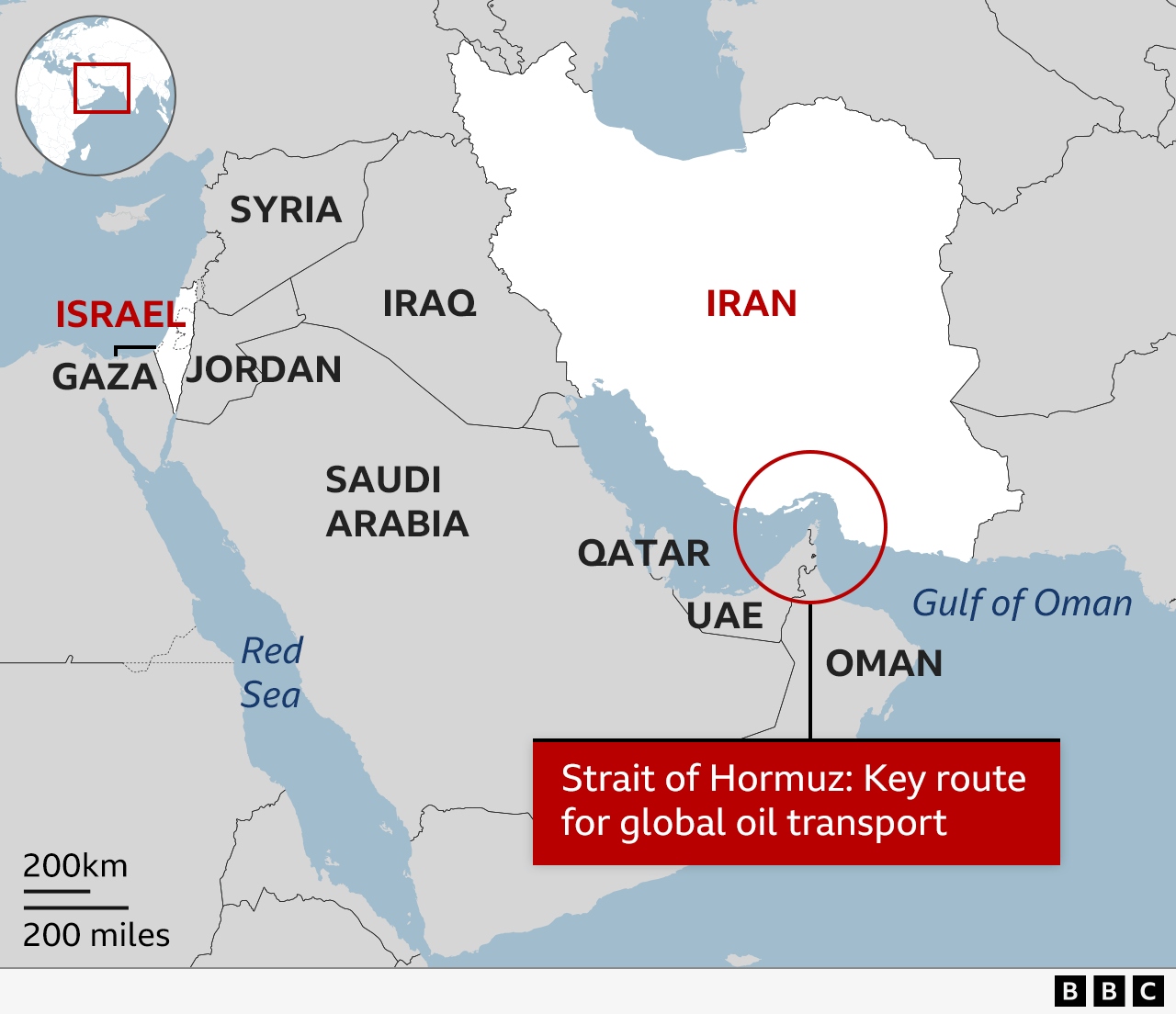
According to S&P Global’s May 2026 Geopolitical Risk Brief, the April 8 ceasefire between the U.S. and Iran remains in place, but negotiations to resolve the conflict have made no substantive progress. The same briefing says maritime disruption around the Strait of Hormuz continues to be a live concern, while pressure on global markets has increased as seasonal demand rises. [2]
A separate geopolitical bulletin compiled from Reuters and AP reporting says Iran’s leadership has insisted that highly enriched uranium remain inside Iran, resisting a core U.S. demand in the talks. It also says U.S. Secretary of State Marco Rubio described the diplomatic movement as only “slight progress,” with Pakistan and Qatar intensifying mediation efforts. [1]
Why it matters
The Strait of Hormuz remains one of the world’s most consequential chokepoints because any disruption there quickly becomes a global energy and security problem. When U.S.–Iran diplomacy stalls, Washington’s Gulf policy stops being only about bilateral bargaining and becomes a test of how much coercive leverage the U.S. can sustain without triggering broader market or military instability. [2][1]
That makes this story geopolitically significant beyond the immediate U.S.–Iran file. It touches the credibility of American deterrence, the reliability of maritime commerce, and the ability of third-party mediators such as Pakistan and Qatar to shape outcomes in a crisis where the U.S. still sets the terms but does not control all the pressure points. [1][2]
Key facts
- The April 8 ceasefire between the U.S. and Iran remains in place, but negotiations have not produced substantive progress. (S&P Global, May 2026) [2]
- Maritime disruption around the Strait of Hormuz remains an ongoing risk. (S&P Global, May 2026) [2]
- Iran’s leadership has ordered highly enriched uranium to remain in Iran, according to Reuters reporting cited in the bulletin. (Mackinder Forum / Reuters, May 2026) [1]
- Marco Rubio said there was only “slight progress” in talks, according to AP reporting cited in the bulletin. (Mackinder Forum / AP, May 2026) [1]
- Pakistan and Qatar are intensifying mediation efforts. (Mackinder Forum, May 2026) [1]
Analysis
The strategic importance of this episode lies in the mismatch between diplomatic language and strategic reality. The ceasefire lowers the temperature, but it does not resolve the underlying dispute over uranium, sanctions, or regional freedom of movement. In that sense, the Gulf remains in a managed crisis rather than a settled one. The fact that negotiations are still being mediated by regional actors underscores both the limits of direct U.S.–Iran bilateral progress and the extent to which Washington now depends on partners to keep escalation contained. [2][1]
For the United States, the deeper issue is that Hormuz is not just a shipping lane; it is a leverage system. Control over the political conditions of transit, access, and disruption gives Washington influence well beyond the region, because oil-market instability transmits immediately into allied economies and strategic planning. That is why even limited diplomatic movement matters. A narrow, fragile ceasefire can still support U.S. interests if it preserves shipping and buys time for negotiations. But if talks remain frozen while maritime risk persists, the U.S. must absorb the costs of appearing both powerful and unable to secure a durable settlement. [2]
This is also why the mediation track matters as much as the nuclear file. Pakistan and Qatar’s involvement suggests that the region’s diplomatic architecture is adapting to a world in which major-power confrontation, nuclear nonproliferation, and energy transit are interconnected. The U.S. still has the most leverage, but leverage alone does not produce closure. In the current phase, Washington’s challenge is not simply to pressure Tehran; it is to prevent the dispute from hardening into a permanent security premium on Gulf commerce. [1][2]
What to watch
- Forecast: Whether the U.S. and Iran can move from ceasefire maintenance to a structured negotiating framework that addresses uranium and maritime security.
- Forecast: Whether Pakistan and Qatar can convert ad hoc mediation into a durable channel that reduces the chance of renewed escalation.
- Forecast: Whether continued disruption concerns around Hormuz begin to affect broader energy and market expectations beyond the immediate Gulf theater.