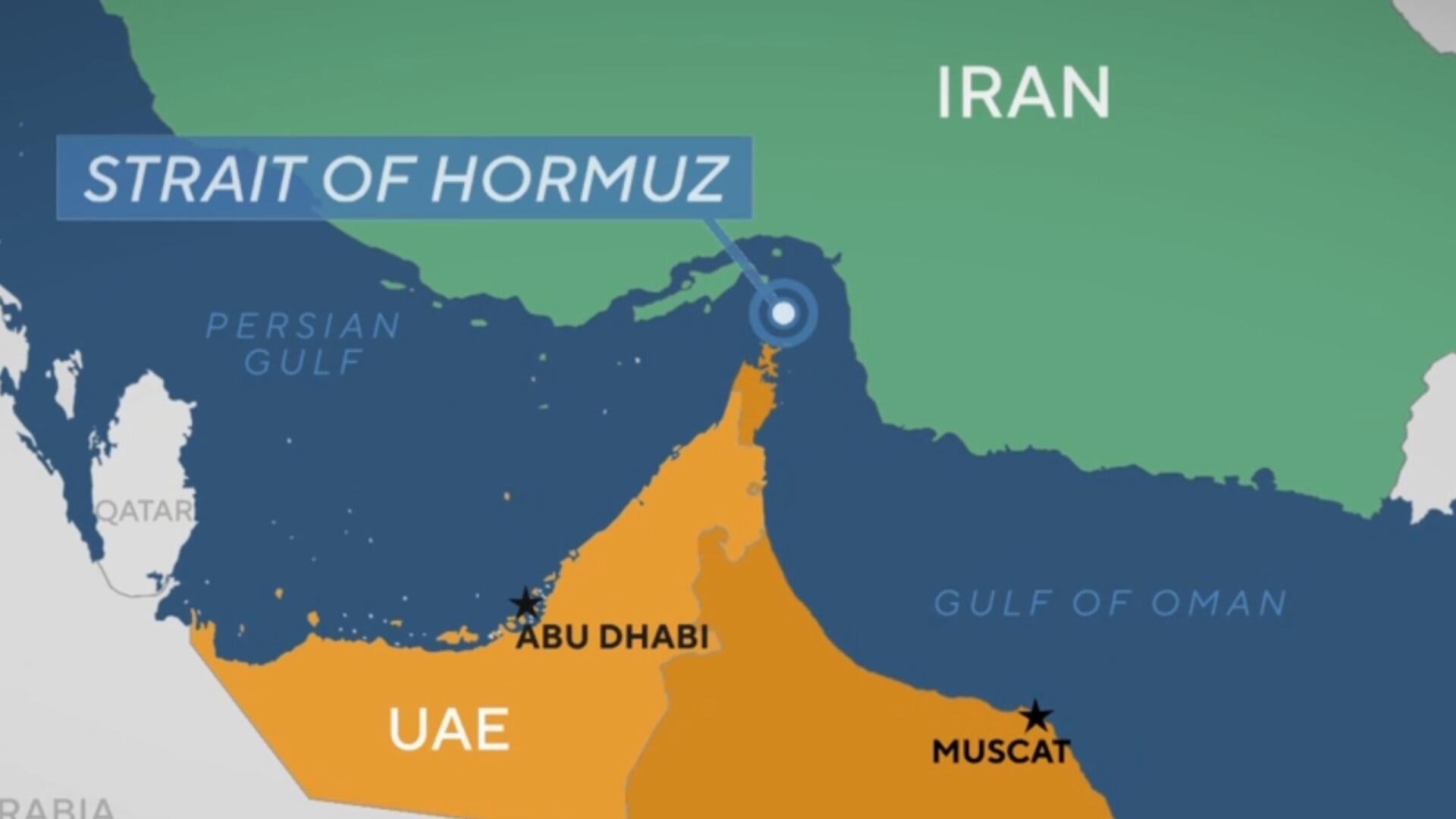
What happened
France has insisted that its planned maritime operations in the Strait of Hormuz are “exclusively defensive,” rejecting Iranian warnings of a “decisive response.” Paris aims to help reopen the strategic waterway in coordination with regional forces, but only when security conditions allow. (Yeni Safak, 2026-05-13)
This development underscores France's proactive stance in a chokepoint vital for global energy flows, positioning Europe as a player in de-escalation efforts without direct confrontation.
Why it matters
The Strait of Hormuz remains a linchpin for 20% of world oil trade, making any disruption a flashpoint for economic shocks across continents. European involvement, led by France, reflects a broader shift where EU states extend naval reach beyond traditional Atlantic focus to secure energy imports amid volatile Middle East dynamics. This move bolsters EU strategic autonomy in maritime domains, countering reliance on distant powers for passage safety.
In a multipolar order, such operations test alliances and deterrence thresholds, as European presence could either stabilize flows or escalate frictions with Iran, impacting global commodity prices and trade routes.
Key facts
- France's operations described as “exclusively defensive” (Yeni Safak, 2026-05-13)
- Aimed at reopening Strait of Hormuz in coordination with regional forces (Yeni Safak, 2026-05-13)
- Conditional on security allowing execution (Yeni Safak, 2026-05-13)
Analysis
France's declaration frames its Hormuz deployment as a measured response to threats, aligning with EU goals of energy security without provoking wider conflict. By coordinating with regional partners, Paris avoids unilateral action, echoing post-2019 tanker crisis lessons where collective patrols proved effective. This positions Europe as a balancer in the Gulf, where Iranian posturing has repeatedly closed lanes, forcing reroutes and spiking insurance costs. The "defensive" label disarms escalation narratives, yet Iran's vowed response risks miscalculation, drawing France into proxy maritime skirmishes.
Broader EU context reveals deepening naval commitments: France's Charles de Gaulle carrier group rotations signal permanence, complementing Operation Aspides in Red Sea. Economically, stable Hormuz access underpins 30% of EU oil imports via Gulf sources, insulating against volatility. Geopolitically, it counters China's growing port investments in the region, asserting Western influence over critical sea lines. Success here could embolden EU flotillas elsewhere, like Bab el-Mandeb, fostering a networked defense posture independent of NATO's eastern flank priorities.
What to watch
- Iranian naval maneuvers near Hormuz as indicators of response escalation.
- EU member states' commitments to joint patrols post-French lead.
- Oil price fluctuations tied to operational timelines in the strait.