What happened
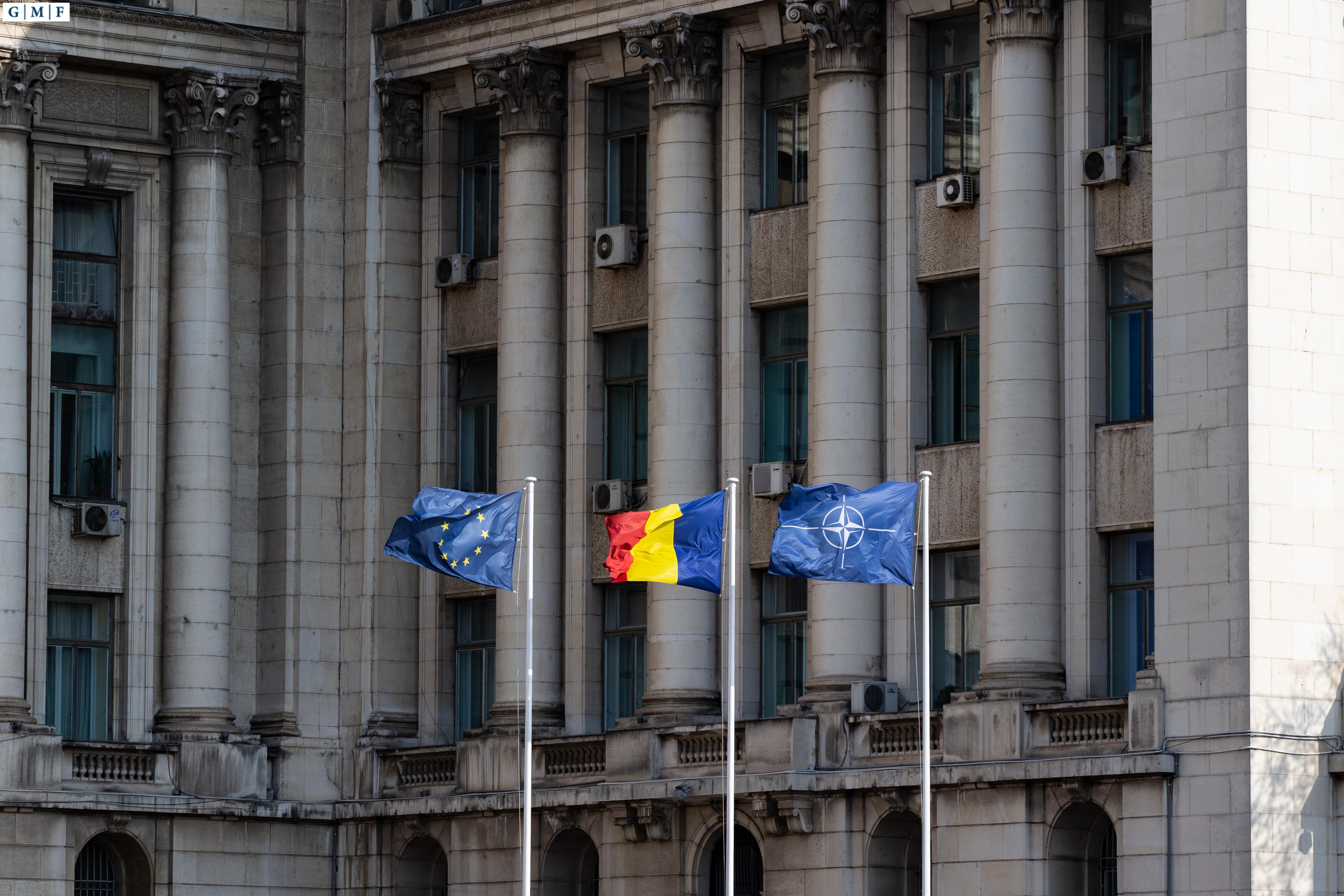
The Bucharest Nine, a coalition of Eastern European countries, is gaining attention as a potential new power center in Europe. According to GIS Reports, the group's expansion could transform Europe's security and economy if Poland provides leadership, the U.S. stays engaged, and members surmount political fragmentation. The alliance's militaries are positioned to bolster NATO's eastern flank, while a united voting bloc in the European Parliament could alter policy directions.
This development highlights the group's substantial geopolitical weight due to the size and military strength of its members, including some of Europe's most capable forces. Realizing this influence requires a bold, cohesive agenda from participating governments.
Why it matters
Europe's security architecture is undergoing profound changes amid ongoing threats from Russia, including the war in Ukraine and potential territorial ambitions. Traditional Western European powers have historically dominated NATO and EU decision-making, but the Bucharest Nine represents a shift toward Eastern Europe taking a more assertive role. This group could provide the critical mass needed to reinforce NATO's vulnerable eastern borders, where direct confrontation risks are highest.
Economically, a unified bloc in the European Parliament could redirect funding and policies toward defense modernization and energy security, countering fragmentation that has long weakened collective responses. With U.S. strategic priorities evolving, reliance on self-sufficient European alliances becomes essential, potentially rebalancing transatlantic dynamics and deterring aggression through demonstrated resolve.
Key facts
- Bucharest Nine's militaries could shape NATO’s eastern flank (GIS Reports, 2026-05-08)
- Group could form a united voting bloc in the European Parliament to shift policy outcomes (GIS Reports, 2026-05-08)
- U.S. interest depends on concrete actions from the group, not just symbolic gestures (GIS Reports, 2026-05-08)
- Potential to set agenda for NATO summit in Ankara in July (GIS Reports, 2026-05-08)
Analysis
The emergence of the Bucharest Nine underscores a pivotal realignment in European geopolitics, where Eastern states—long marginalized in Western-centric structures—are leveraging their frontline exposure to Russia for greater influence. Poland's prospective leadership is crucial, given its military investments and hawkish stance on Moscow, potentially knitting together disparate national interests into a formidable deterrent. This cohesion could fortify NATO's eastern defenses, addressing vulnerabilities exposed by shifting U.S. commitments and ensuring rapid response capabilities against hybrid or conventional threats. Moreover, the group's parliamentary voting power introduces a new variable in EU deliberations, prioritizing security over economic caution and challenging veto-prone decision-making.
Strategically, this development ties into broader dynamics of European strategic autonomy. As Western Europe grapples with fiscal constraints and domestic politics, the Bucharest Nine offers a model of agile, threat-focused alliance-building. U.S. engagement remains a linchpin; without it, the group risks symbolic irrelevance, but with tangible support, it could pioneer a 'coalition of the resolute' within NATO. This not only bolsters deterrence against Russian expansionism but also recalibrates intra-EU power, empowering states with skin in the game to drive continent-wide resilience. The Ankara summit looms as a litmus test, where agenda-setting success would validate the bloc's viability and accelerate its integration into core European strategy.
What to watch
- Forecast: Poland's ability to forge consensus among Bucharest Nine members on a unified defense procurement plan.
- Forecast: U.S. concrete commitments, such as joint exercises or funding, signaling sustained interest in the group.
- Forecast: Outcomes from the NATO summit in Ankara, particularly adoption of eastern flank initiatives proposed by the bloc.