What happened
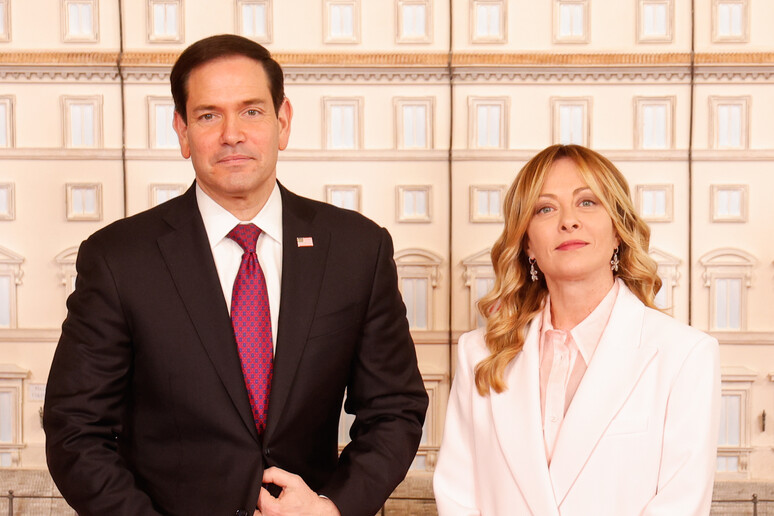
Italy's Prime Minister Giorgia Meloni is taking steps to ease tensions with US Senator Marco Rubio amid discussions of US troop movements in Europe (YouTube [3]). This comes alongside reports of the US potentially withdrawing 5,000 troops from Germany after comments from Chancellor Friedrich Merz describing US positioning as humiliated by Iran (YouTube [3]). These developments coincide with broader shifts in Europe's political landscape, including possible US troop relocations and new alignments following power changes in Hungary (YouTube [1]).
Why it matters
Transatlantic military commitments form the backbone of European security, with US bases in Germany serving as a linchpin for NATO operations and rapid response capabilities. Any reduction in troop numbers could compel European states to bolster their own defenses, accelerating debates on strategic autonomy. Meloni's outreach underscores Italy's role as a bridge between Washington and Brussels, potentially influencing how southern Europe positions itself in response to northern-led initiatives and eastern threats.
The interplay of domestic US politics under Trump—seeking quick resolutions to conflicts like Iran—and European leaders' responses highlights vulnerabilities in alliance cohesion. Italy's proactive diplomacy may preserve key bilateral ties, preventing a vacuum that adversaries could exploit.
Key facts
- US considering withdrawal of 5,000 troops from Germany (YouTube [3], 2026-05-08)
- Meloni moves to ease tensions with Rubio (YouTube [3], 2026-05-08)
- Merz comments on US humiliation by Iran linked to troop discussions (YouTube [3], 2026-05-08)
- Possible US troop movements in EU context (YouTube [1], 2026-05-08)
Analysis
Meloni's initiative arrives at a pivotal moment when US foreign policy under Trump prioritizes rapid de-escalations, as seen in the search for a 'silver bullet' to end the Iran conflict. By engaging Rubio, a influential voice in Republican circles, Italy aims to safeguard its interests in a scenario where troop drawdowns from Germany could redirect resources or strain NATO's eastern flank. This maneuver positions Rome as a pragmatic actor, contrasting with more rigid stances from Paris or Berlin, and leverages Italy's Mediterranean vantage for broader Mediterranean and African stability.
Structurally, these troop dynamics intersect with emerging partnerships, such as those hinted in the Bucharest Nine context, where US interest in central-eastern Europe could pivot away from traditional western bases. Meloni's diplomacy thus reinforces Italy's centrality in any 'power shift' narrative, ensuring continuity in US-Italy defense pacts like those on Libya or migration routes. If successful, it could mitigate alliance fractures, but failure risks isolating Italy as Europe grapples with Russian pressures and internal divisions.
What to watch
- Forecasts: Potential announcements on US troop relocations to eastern Europe.
- Forecasts: Responses from NATO allies to any confirmed German base reductions.
- Forecasts: Evolution of Italy-US dialogues into formal security agreements.