What happened
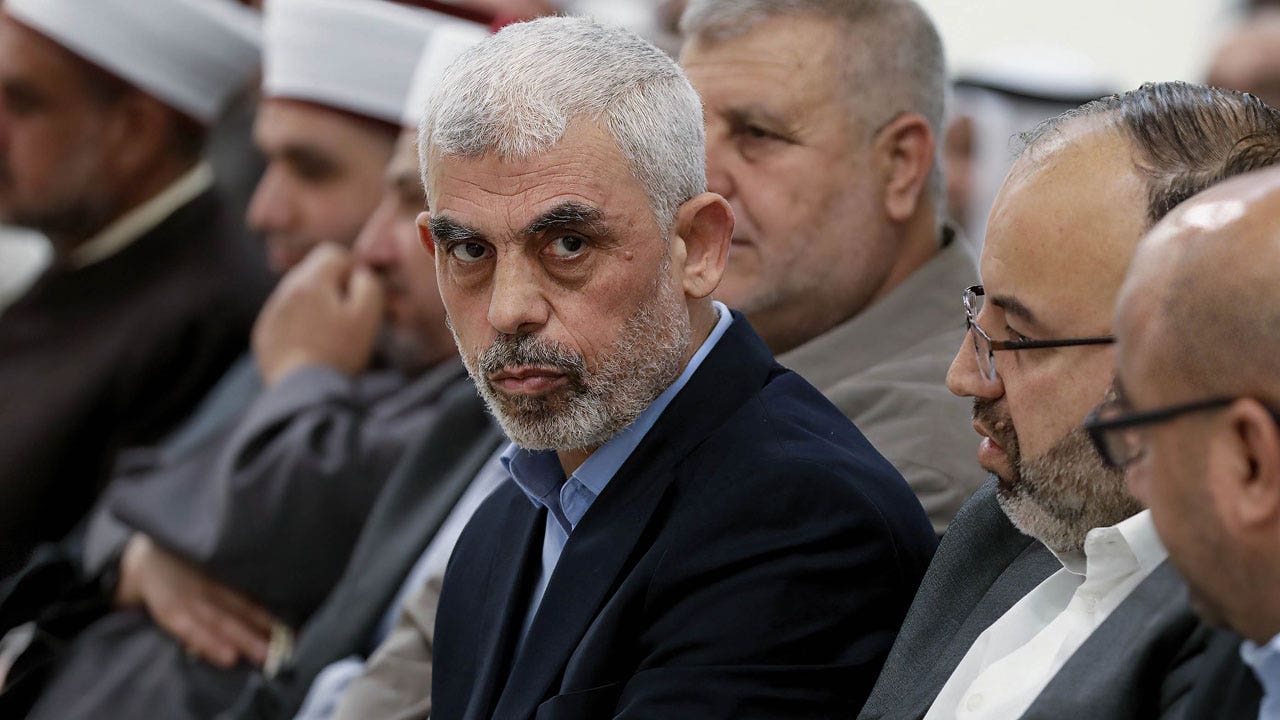
The European Union has reached a unanimous political agreement to impose new sanctions on Hamas leaders and Israeli settlers involved in violence in the West Bank. This decision reflects a coordinated effort by all 27 member states to address escalating tensions in the region. The move comes as part of broader EU foreign policy initiatives targeting actors contributing to instability (AP News, 2026-05-14).
This agreement underscores the EU's commitment to multilateral action on international conflicts, with the sanctions aimed at curbing activities deemed detrimental to peace efforts. Details on implementation timelines and specific targets were not immediately outlined, but the political consensus paves the way for formal adoption.
The development was reported amid ongoing coverage of European diplomatic maneuvers, positioning the EU as an active player in Middle East dynamics.
Why it matters
The EU's dual sanctions approach—targeting both Palestinian militants and Israeli settlers—highlights a nuanced foreign policy stance that seeks to maintain credibility as an impartial mediator in the Israeli-Palestinian conflict. In a geopolitical landscape where the United States often aligns closely with Israel, the EU's balanced measures reinforce its role as a counterweight, potentially influencing global norms on accountability for violence in occupied territories.
Economically, these sanctions could impact EU-Israel trade relations, valued in billions annually, and complicate energy and tech partnerships. More broadly, they signal the EU's growing assertiveness in using targeted financial tools to shape conflict outcomes, distinct from military interventions. This fits into the bloc's strategic autonomy push post-Ukraine war, where economic leverage substitutes for hard power.
For Europe, the decision bolsters internal cohesion on foreign policy, a perennial challenge, while projecting unity to global partners. It also intersects with domestic debates on migration and security, as West Bank instability fuels refugee flows toward EU borders.
Key facts
- European Union reached unanimous political agreement on new sanctions targeting Hamas leaders and Israeli settlers (AP News, 2026-05-14).
- Sanctions linked specifically to violence in the West Bank (AP News, 2026-05-14).
Analysis
This unanimous EU agreement represents a pivotal moment in the bloc's Middle East engagement, diverging from U.S.-centric approaches that prioritize one side. By sanctioning both Hamas and settlers, the EU invokes its Global Human Rights Sanctions Regime, previously used against Venezuelan officials and Chinese entities, to enforce international humanitarian law consistently. This dual-track policy mitigates accusations of bias, enhancing the EU's diplomatic capital in Arab states and among global south nations wary of Western double standards. Structurally, it ties into the EU's Neighborhood Policy, where stability in the Levant is crucial for controlling migration routes through the Mediterranean—a perennial vulnerability exposed in past crises like 2015.
Geopolitically, the move pressures Israel amid its post-October 2023 normalization drives with Saudi Arabia, potentially straining the Abraham Accords framework that bypasses Palestinian statehood. For Hamas, sanctions compound isolation after U.S. and Gulf designations, limiting funding channels via European banks. This positions the EU as a bridge-builder, possibly facilitating Quartet talks, while testing transatlantic unity as U.S. elections loom. Domestically, it appeases progressive factions in France and Spain, where pro-Palestinian sentiment runs high, without alienating centrist voters. Overall, it exemplifies "strategic patience," using soft power to nudge entrenched conflicts toward de-escalation without direct involvement.
What to watch
- Forecast: Formal EU Council adoption of sanctions list within weeks, specifying asset freezes and travel bans.
- Forecast: Israeli government response, potentially including retaliatory trade measures or diplomatic protests to Brussels.
- Forecast: Ripple effects on EU-Palestinian Authority relations, with possible aid increases to offset Hamas pressure.