What happened
Ukraine has proposed that Europe mediate a narrow 'airport truce' with Russia, focusing on mutual cessation of attacks on each other's airports. Ukrainian Foreign Minister Andrii Sybiha pitched this idea on the sidelines of an EU foreign ministers' meeting in Brussels, as reported by Politico and cited by UNN (UNN, 2026-05-11). Sybiha argued that Russian transport hubs like Moscow's Sheremetyevo and Saint Petersburg's Pulkovo are increasingly vulnerable to Ukrainian long-range strikes, potentially incentivizing Putin to agree.
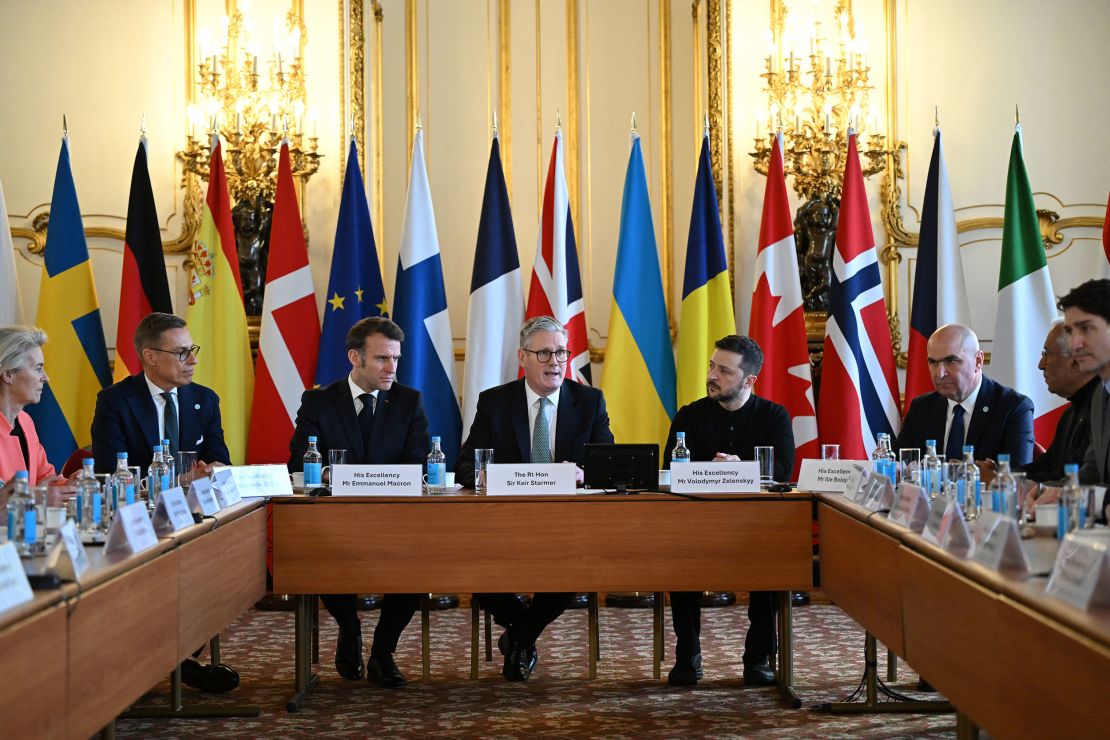
This comes amid broader European calls for deeper involvement in Ukraine diplomacy, with French President Emmanuel Macron considering direct talks with Putin and German Foreign Minister Johann Wadephul advocating for Europe's seat at the negotiating table (UNN, 2026-05-11).
Why it matters
The proposal marks a tactical shift in peace efforts, narrowing focus from comprehensive ceasefires to verifiable, limited agreements that sidestep entrenched red lines like territory or NATO membership. By targeting airports—critical for civilian travel, logistics, and military airlift—it exploits mutual vulnerabilities: Ukraine's battered infrastructure versus Russia's exposed major hubs. This positions Europe as an active broker, filling a void left by decelerating US initiatives and Putin's reluctance for wider deals. Structurally, it tests EU cohesion in foreign policy, leveraging rotating presidencies and new Hungarian leadership to overcome veto-prone dynamics. In a fragmenting global order, such micro-diplomacy could build momentum for de-escalation, reshaping alliance burdensharing where Europe assumes frontline negotiation roles.
Economically, intact airports underpin trade and reconstruction; strikes disrupt supply chains from EU grain corridors to Russian energy exports. Geopolitically, success would validate 'small wins' strategies, pressuring holdout states while signaling to global south mediators that targeted truces outperform grand bargains.
Key facts
- Proposal voiced by Ukrainian FM Andrii Sybiha at EU foreign ministers' meeting in Brussels (UNN, 2026-05-11).
- Targets mutual halt on airport strikes, citing vulnerability of Russian hubs like Sheremetyevo and Pulkovo (UNN, 2026-05-11).
- Aligns with European leaders' calls for direct diplomacy, including Macron's Putin talks idea and Wadephul's demand for EU negotiating presence (UNN, 2026-05-11).
Analysis
Ukraine's airport truce initiative reflects pragmatic adaptation to negotiation gridlock, where broad peace frameworks collapse under territorial disputes and security guarantees. By isolating aviation assets, Kyiv leverages asymmetric strike capabilities—deep Ukrainian drone and missile reach into Russia—against Moscow's need to safeguard economic lifelines. This isn't mere symbolism; airports facilitate 70% of Russia's international passenger traffic and key military logistics, per pre-war data, making them high-value targets ripe for reciprocal restraint. Europe's mediator role, proposed amid Brussels summits, exploits post-election shifts like Hungary's new authorities under PM Magyar, potentially unblocking vetoes that have stalled enlargement and aid packages (Euronews, 2026-05-11). It dovetails with EU Enlargement Commissioner Marta Kos's July deadline for Ukraine's accession clusters, framing diplomacy as an investment in stabilized eastern borders.
Broader dynamics reveal a multipolar rebalancing: as US bandwidth strains across Pacific and Middle East theaters, Europe steps into hybrid peacemaker-enabler mode, blending sanctions enforcement with shuttle diplomacy. Yet risks loom—Russian rejection could expose EU disunity, while partial success might embolden incremental demands, like buffer zones or demilitarized skies. This micro-truce tests whether confidence-building measures can cascade into demobilization or arms control, echoing Cold War 'hotline' precedents but in drone-saturated airspace. For Brussels, it's a litmus test of strategic autonomy, where mediation success bolsters internal cohesion against populist fractures, potentially redefining NATO's political track.
What to watch
- Russian response to the proposal, gauged via state media or Foreign Ministry statements in coming days.
- Progress on EU accession clusters by July under Cyprus and Ireland presidencies, as leverage for diplomatic pressure.
- Outcomes from ongoing Brussels foreign ministers' talks on military support coordination.