What happened
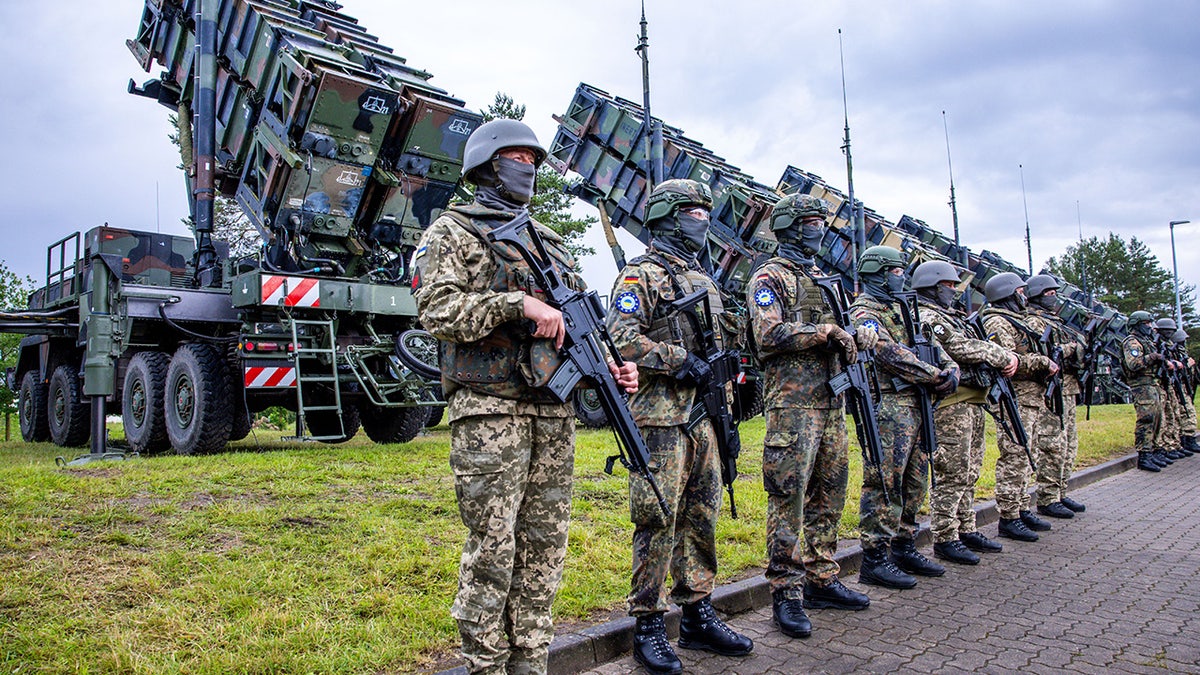
Donald Trump has withdrawn U.S. troops and advanced missile units from Germany in response to Friedrich Merz's public criticism of American Iran strategy/iran" class="inline-tag-link">Iran strategy, according to reporting from The Economist. The withdrawal represents a direct consequence of diplomatic friction between the Trump administration and Germany's political leadership over the direction of U.S. Middle Eastern policy.
Why it matters
The U.S. military presence in Germany has anchored European collective defence architecture for over seven decades. Advanced missile systems stationed on German soil—particularly air defence platforms—form a critical layer of NATO's integrated air defence network covering Central Europe. Their removal creates a structural vulnerability at a moment when European threat perceptions are elevated across multiple domains: Russian military activity in Eastern Europe, Iranian drone proliferation to non-state actors, and the broader destabilization of the Middle East.
The withdrawal also signals a shift in how the Trump administration calibrates alliance relationships. Rather than treating allied criticism as routine diplomatic discourse, the administration appears willing to use military posture as a punitive tool. This introduces unpredictability into the alliance calculus and raises questions about the reliability of U.S. security commitments in Europe.
Key facts
- Friedrich Merz, a senior German political figure, publicly criticized U.S. Iran strategy (The Economist, 2026-05-15)
- Trump responded by withdrawing both troops and advanced missile units from German territory (The Economist, 2026-05-15)
- The withdrawal has created identifiable defence gaps in European air defence coverage (The Economist, 2026-05-15)
- Russia is simultaneously offering Iran advanced drone technology and training, according to confidential documents cited by The Economist (2026-05-15)
Analysis
The timing of this withdrawal is particularly significant given concurrent developments in the broader European security environment. The Economist's reporting indicates that Russia has offered Iran 5,000 fibre-optic drones with training to deploy them against American forces. This suggests a coordinated effort by Moscow and Tehran to raise the cost of U.S. military commitments in the Middle East and Europe. By withdrawing advanced air defence systems from Germany, the Trump administration has inadvertently created operational space for exactly the kind of threats—Iranian drone swarms and Russian-supplied systems—that these platforms were designed to counter.
The underlying dispute over Iran strategy reflects a deeper fissure in transatlantic threat assessment. Germany, positioned at the geographic centre of European NATO, has historically prioritized diplomatic channels and economic interdependence as stabilizing mechanisms. The Trump administration's apparent preference for military escalation and punitive measures represents a fundamentally different approach. When allied leaders voice concerns about this strategy, they are not merely offering policy advice; they are signalling anxiety about their own security. Trump's response—military withdrawal—transforms a policy disagreement into a tangible reduction in collective defence capacity.
This episode also illuminates the vulnerability of European defence to American domestic political dynamics. Merz's criticism, while substantive, became a trigger for alliance punishment rather than a basis for dialogue. This sets a precedent that European leaders must now factor into their own strategic calculations: public disagreement with U.S. policy carries material consequences for their own security posture. The result is likely to be either self-censorship among European allies or accelerated efforts to build independent defence capabilities—neither outcome strengthens NATO cohesion.
What to watch
- German rearmament trajectory: Watch whether Germany and other Central European NATO members accelerate independent air defence procurement or seek alternative suppliers. This will indicate whether the alliance is fragmenting into competing defence procurement blocs.
- Russian and Iranian coordination: Monitor whether the reported drone transfer to Iran translates into operational deployments against U.S. or allied assets. This will test whether the withdrawal of U.S. systems actually reduces deterrence in the region.
- European strategic autonomy discourse: Track whether this incident accelerates EU discussions on independent defence capabilities or triggers calls for NATO reform. The withdrawal may paradoxically strengthen arguments for European military independence.